Advanced Microscope 'Curie' Offers Hope for Inflammatory Bowel Disease Treatment
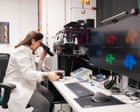
Revolutionary Microscope Technology Advances Inflammatory Bowel Disease Research
Scientists are pursuing an innovative approach to understanding the underlying mechanisms of inflammatory bowel disease through cutting-edge microscopy technology. The emergence of specialized imaging tools represents a significant milestone in gastrointestinal medicine, offering researchers unprecedented clarity in examining cellular structures and disease processes that have long remained difficult to analyze with conventional equipment.
The global prevalence of inflammatory bowel disease among younger populations continues to rise at an alarming rate, creating urgent demand for novel diagnostic and therapeutic approaches. This advancement in microscope technology could fundamentally change how medical professionals understand and treat these debilitating conditions that affect millions worldwide.
Curie Microscope: A Game-Changing Scientific Instrument
The newly developed 'Curie' microscope represents a quantum leap in imaging capability, operating at approximately 10 times the resolution of traditional microscopy systems. This exceptional level of detail enables researchers to observe biological structures at scales previously impossible to visualize, potentially revealing critical information about disease mechanisms and cellular dysfunction associated with bowel disorders.
Unlike conventional microscopes limited by optical constraints, the Curie technology employs advanced imaging principles that significantly enhance visualization depth and clarity. This breakthrough capability allows scientists to examine tissue samples with extraordinary precision, potentially uncovering the fundamental causes of conditions that have resisted conventional treatment approaches.
The Burden of Inflammatory Bowel Disease in the United Kingdom
Data compiled by the British Society of Gastroenterology indicates that more than half a million individuals throughout the United Kingdom currently live with inflammatory bowel disease. This substantial patient population encompasses primarily two distinct conditions: Crohn's disease and ulcerative colitis, both characterized by chronic inflammation of the digestive tract and significant quality-of-life impacts.
The societal burden of these conditions extends beyond individual patient suffering, affecting healthcare systems, workplace productivity, and family dynamics. The persistent nature of inflammatory bowel disease, combined with the absence of definitive cures in current medical practice, underscores the critical importance of research initiatives aimed at understanding disease etiology and developing innovative treatment strategies.
Crohn's Disease and Ulcerative Colitis: Understanding the Primary Forms
Crohn's disease and ulcerative colitis represent the two predominant manifestations of inflammatory bowel disease, each presenting distinct pathological patterns and clinical presentations. Crohn's disease can affect any section of the digestive tract from mouth to anus, while ulcerative colitis primarily involves the colon and rectum. Both conditions share hallmark characteristics including chronic inflammation, tissue damage, and unpredictable flare-up cycles.
Patients with these conditions experience symptoms ranging from abdominal pain and diarrhea to malnutrition and systemic complications. Current treatment approaches focus primarily on managing inflammation and controlling symptoms rather than addressing the fundamental disease mechanisms, highlighting the essential need for improved understanding of underlying pathophysiology.
Potential Treatment Discoveries Through Advanced Microscopy
The deployment of the Curie microscope in research settings opens remarkable possibilities for identifying novel therapeutic targets and understanding disease progression at the cellular level. By revealing cellular structures and inflammatory processes with unprecedented clarity, researchers may identify specific molecular markers or dysfunctional pathways amenable to targeted intervention.
This enhanced visualization capability could accelerate the drug discovery pipeline by enabling scientists to assess how experimental treatments affect diseased tissue at microscopic scales. Such detailed observation might reveal why certain treatments succeed for some patients while failing for others, potentially leading to personalized medicine approaches.
Global Research Implications and Future Outlook
The growing prevalence of inflammatory bowel disease among young people globally reflects concerning epidemiological trends that demand intensified research efforts. The introduction of superior imaging technology provides researchers with tools previously unavailable for investigating disease mechanisms and evaluating experimental interventions.
Scientists anticipate that insights gained through Curie microscope studies will catalyze a new generation of treatment options, moving beyond symptomatic management toward curative or disease-modifying therapies. This technological advancement represents a crucial step forward in the lengthy process of transforming our understanding of inflammatory bowel disease and ultimately delivering hope to millions of patients worldwide.