Andy Burnham Sworn in as MP Following Starmer's Resignation
Andy Burnham Takes Parliamentary Oath Amid Leadership Transition
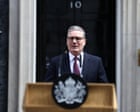
Andy Burnham has been sworn in as a Member of Parliament following Keir Starmer's unexpected resignation as Prime Minister. The high-profile political development marks a significant turning point in British governance, with Starmer stepping down after two years leading the country following Labour's historic election triumph. The announcement has triggered a period of uncertainty within Westminster, prompting immediate focus on identifying Starmer's successor before the legislative body reconvenes in September.
Timeline for New Leadership Appointment
Prime Minister Starmer confirmed during his resignation statement that a new leader will be firmly in place before Parliament returns from its summer recess. This timeline establishes a compressed but feasible window for the Labour Party to conduct its leadership selection process. The accelerated schedule aims to minimize prolonged institutional instability and provide clarity to government operations and the broader electorate.
Andy Burnham's Position in Leadership Race
Andy Burnham, the prominent Greater Manchester mayor and influential Labour figure, has emerged as a leading contender in the succession discussions. His swearing-in as an MP represents a procedural step that positions him within the parliamentary framework as leadership deliberations intensify. Political analysts suggest Burnham's substantial experience in local governance and national party circles strengthens his candidacy for the top position.
Wes Streeting's Endorsement
Health Secretary Wes Streeting has publicly backed Andy Burnham to assume the mantle of Labour leader and ultimately become the next Prime Minister. Streeting's endorsement carries considerable weight within party circles, signaling confidence in Burnham's capacity to navigate the complexities of leading both the Labour Party and the nation during a transitional period. Such high-profile support typically influences grassroots and parliamentary backing during leadership contests.
Political Commentary and Analysis
According to Tom Baldwin, Keir Starmer's biographer and former communications director during Ed Miliband's leadership tenure, the current situation presents a paradox within modern political dynamics. Baldwin observed that Starmer faces contradictory pressures—being urged to resign by those who contributed significantly to the chaos necessitating his departure, yet simultaneously being asked to remain in office temporarily because his designated successor requires additional preparation time.
Starmer's Mandate and Democratic Foundation
Political observers emphasize that Keir Starmer retained a legitimate mandate derived from Labour Party membership selection and secured popular endorsement through the general election victory. His decision to resign represents a voluntary relinquishment of authority rather than removal through parliamentary or party mechanisms. The transition underscores contemporary political volatility, where even substantial electoral victories and party endorsements do not guarantee sustained tenure in the highest office.
Looking Ahead to Parliamentary Return
With Parliament's summer adjournment providing the operational backdrop, Labour officials and party members must expedite the leadership selection process. The compressed timeframe demands efficient organizational procedures while maintaining democratic principles governing party leadership elections. Stakeholders across government, Parliament, and the broader political establishment are monitoring developments closely as Labour navigates this critical succession period, with Andy Burnham positioned prominently among potential successors to assume the Prime Minister's responsibilities.