
Bedford Train Collision: Week-Long Disruption After Fatal Crash
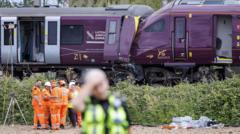
Bedford Train Crash Leaves Multiple Hospitalized
A significant Bedford train crash has resulted in considerable disruptions to rail services in the region, with authorities confirming that the incident will impact commuter travel for approximately one week. The collision between two passenger trains occurred on Friday, marking one of the most serious railway incidents in recent memory for the area.
Emergency response teams quickly mobilized to the scene following the fatal collision, working extensively to assist those affected by the accident. Medical personnel transported numerous casualties to nearby hospitals, where they continue to receive treatment for injuries sustained in the impact.
Current Hospital Status and Casualty Numbers
According to statements from local police departments, 28 individuals remain hospitalized following the train accident investigation that commenced immediately after the crash. Medical staff at regional healthcare facilities are providing ongoing care to those with injuries ranging from minor to severe. Hospital administrators have not yet released detailed information regarding the specific conditions or expected recovery timelines for most patients.
The collision resulted in at least one fatality, though authorities have maintained privacy regarding victim identification pending family notification protocols. Additional details surrounding the immediate medical outcomes continue to emerge as hospital assessments progress.
Extended Rail Service Disruptions Expected
Network officials have announced that rail disruption caused by the Bedford incident will persist for approximately seven days while comprehensive repair work and safety assessments take place. The affected rail line serves thousands of daily commuters, and alternative transportation arrangements are being coordinated with local transit authorities.
Train operators have issued guidance for passengers regarding substitute bus services and modified scheduling during the recovery period. Commuters are advised to check updated travel information regularly, as restoration timelines may adjust based on engineering assessments conducted at the collision site.
Investigation Into Collision Causes
Authorities have initiated a formal passenger injuries and safety review process to determine the precise circumstances that led to the collision. Investigators are examining multiple factors including signal systems, train speeds, weather conditions, and driver procedures at the moment of impact.
The Rail Accident Investigation Branch has assumed lead responsibility for the technical inquiry, working alongside local emergency services and railway operators. Preliminary findings are expected within the coming days as forensic evidence analysis and witness statements are systematized.
Support Services for Affected Passengers
Following the fatal collision, railway authorities and emergency services have established support centers for those impacted by the Bedford train crash. Counseling services and information hotlines have been activated to assist passengers, families, and witnesses processing the traumatic event.
Local council representatives are coordinating with healthcare providers and mental health services to ensure comprehensive support infrastructure remains available throughout the recovery phase. Employee assistance programs have also been extended to railway staff present during the incident.
Restoration Timeline and Safety Measures
Engineering teams are conducting detailed structural assessments of both train vehicles involved in the accident, along with track infrastructure and signaling systems throughout the affected corridor. Safety modifications may be implemented prior to service resumption, pending investigation outcomes.
Railway operators have committed to enhanced safety protocols and monitoring measures once services resume, ensuring that all identified risk factors are addressed comprehensively. Regular updates regarding restoration progress will be communicated to the public and affected commuters.


