BoE's Cautious Rate Hike May Extend Higher Interest Rates
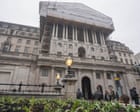
BoE's Cautious Approach to Interest Rates Under Scrutiny
The Bank of England's recent handling of inflation through a measured increase in interest rates has drawn sharp criticism from economic experts who warn that this conservative approach to monetary policy may ultimately result in Bank of England interest rates remaining elevated for an extended period. The National Institute of Economic and Social Research (Niesr), a prominent independent economic thinktank, has published a detailed analysis questioning whether the central bank's restrained tactics will effectively combat the persistent inflationary pressures facing the UK economy.
Niesr's Critical Assessment of Recent Rate Decision
According to the National Institute of Economic and Social Research, the cautious rate adjustment implemented by the Bank of England last week represents an insufficient response to current economic conditions. The thinktank's analysis suggests that this timid monetary policy adjustment is likely to entrench inflation as a structural challenge for the British economy rather than a temporary phenomenon that can be quickly resolved.
The institution warns that without more decisive action from the central bank, inflation may remain stubbornly above the Bank's established 2% target throughout the remainder of this decade and potentially beyond. This projection carries significant implications for households, businesses, and investors across the United Kingdom who are already contending with elevated living costs and economic uncertainty.
Long-Term Implications of Current Monetary Policy
The concern raised by Niesr extends beyond the immediate economic outlook. If the Bank of England's current approach proves insufficient to bring inflation under control promptly, the institution suggests that policymakers may be forced to implement more aggressive interest rate increases later, potentially causing greater economic disruption than would result from more decisive action in the present moment.
The thinktank's research indicates that delayed or inadequate responses to inflationary pressure often create conditions that necessitate more severe monetary tightening measures subsequently. This pattern could translate into Bank of England interest rates remaining at elevated levels for years longer than would be necessary if more robust action were taken immediately.
Economic Context and Inflation Persistence
Understanding the backdrop of this debate requires considering how inflation control UK-wide has become increasingly complex. Multiple factors have contributed to elevated price levels, including supply chain disruptions, energy market volatility, and demand-side pressures from fiscal stimulus measures. The central bank policy decisions must balance the need to contain inflation against potential negative impacts on employment and economic growth.
Niesr's analysis suggests that the current approach may achieve neither outcome effectively. By acting too cautiously, the bank risks allowing inflation to become embedded in wage-setting behavior and consumer expectations, making it progressively harder to achieve the 2% target without resorting to more severe measures later.
Market Response and Policy Uncertainty
The interest rate forecast implications of Niesr's warning extend throughout financial markets and the broader economy. Investors and financial institutions are attempting to anticipate future central bank policy decisions, but mixed signals about the bank's inflation-fighting commitment create additional uncertainty that can itself contribute to economic instability.
The monetary policy approach currently being followed represents a significant decision point for the UK economy. Whether the bank's measured stance proves appropriate or whether Niesr's concerns prove prescient will have substantial consequences for inflation outcomes, employment levels, and the purchasing power of UK citizens through the coming years.
Comparing International Responses
Other major central banks have pursued more aggressive interest rate hiking cycles in recent years, reflecting different assessments of inflation risks and appropriate policy responses. The Bank of England's more gradual approach stands in contrast to some international peers, raising questions about whether a consensus exists among policymakers about optimal inflation control strategies.
Niesr's critique suggests that the UK may be at risk of falling behind in the global effort to restore price stability. This concern carries particular weight given the openness of the UK economy to international influences and capital flows that respond to relative interest rate differentials across major economies.
Outlook and Policy Implications
Looking forward, the debate between the Bank of England and critics like Niesr will likely intensify as economic data continues to be released and inflation trends become clearer. The stakes of this discussion are substantial, affecting not only UK monetary policy but also broader questions about central bank independence, credibility, and the appropriate pace of policy adjustment in response to economic challenges.
The ultimate resolution of this policy tension will shape the economic experience of millions of British households and businesses, making the Bank of England's interest rates and the central bank policy framework critical issues worthy of continued public attention and scrutiny.