
British Pilot Survives Dramatic Helicopter Collision in Greece
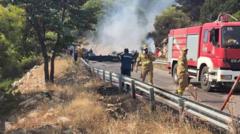
Tragic Helicopter Collision Claims Two Lives in Greece
A devastating helicopter collision in Greece has resulted in the deaths of two crew members during a firefighting operation. The incident involved two aircraft engaged in aerial firefighting missions when the tragic accident occurred. Among those affected, a British pilot managed to survive the collision, along with another Greek crew member, marking a rare survival in such a serious aviation emergency.
Casualties and Survivors Identified
The fatalities included one Danish national and one Greek national who were operating the firefighting helicopters. Their identities have been documented as part of the official investigation into the incident. The British pilot, who was aboard one of the aircraft, successfully survived the collision despite the severe circumstances. Additionally, a Greek crew member also managed to survive the accident, bringing the total survivors to two.
Emergency Response and Investigation
Following the helicopter collision, emergency services mobilized immediately to respond to the scene. Greek authorities have launched a comprehensive investigation into the circumstances surrounding the accident. The collision occurred while both aircraft were engaged in critical firefighting operations, suggesting the incident took place during active emergency response efforts across the region.
Impact on Firefighting Operations
This helicopter collision in Greece represents a significant setback for aerial firefighting capabilities in the region. The loss of two experienced crew members and the damage to both aircraft will likely affect ongoing wildfire suppression efforts. Helicopter crews operating in Greece face challenging conditions while battling fires, making such incidents particularly concerning for aviation safety during emergency operations.
Safety Considerations in Aerial Firefighting
The tragedy highlights the inherent risks associated with helicopter operations in Greece, particularly during coordinated firefighting missions. Multiple aircraft working in proximity to manage large-scale fires increases the complexity of airspace management. Communication protocols and flight coordination standards become critical when operating in dense aerial environments.
International Crew Involvement
The involvement of international personnel, including the British pilot and Danish crew member, reflects the collaborative nature of modern firefighting operations. Many European nations share resources and personnel during emergency situations, particularly when dealing with large-scale wildfires. This international cooperation, while beneficial for emergency response capacity, also adds layers of complexity regarding coordination and communication standards.
Looking Forward
Following this helicopter collision, Greek authorities and aviation safety regulators will conduct thorough investigations to determine the exact cause. The findings will likely inform future safety protocols for aerial firefighting operations throughout the region and potentially across Europe. The incident serves as a sobering reminder of the risks undertaken by brave firefighting crews operating helicopters in challenging conditions.


