Burnham Launches Major Drive to End Rough Sleeping by Christmas
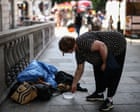
Prime Minister Announces Ambitious Plan to Address Street Homelessness
The UK Prime Minister has unveiled a comprehensive rough sleeping campaign aimed at providing every individual experiencing street homelessness in England with a viable path away from the streets before Christmas. This major initiative represents a significant commitment to tackling what has become an increasingly visible social crisis across the nation.
In his announcement regarding the rough sleeping campaign, the Prime Minister emphasized that street homelessness has become normalized in urban areas, describing it as something that "feels like part of the scenery" for many communities. This stark observation has prompted the government to take decisive action with an additional £100 million in funding dedicated to supporting local authorities in their efforts to address this pressing issue.
Financial Commitment and Strategic Approach
The government's commitment extends beyond the immediate £100m allocation, with a broader £442m pledge aimed at eliminating street homelessness entirely. This substantial financial investment demonstrates the seriousness with which the administration approaches the rough sleeping campaign and reflects an understanding of the complex resources required to effectively address homelessness.
The Prime Minister has drawn parallels to the coordinated response seen during the Covid-19 pandemic, suggesting that a similarly mobilized, national approach is necessary to tackle the rough sleeping crisis. This comparison underscores the scale of the challenge and the need for unprecedented cooperation between government agencies, local authorities, and community organizations.
Call to Local Action and Leadership
Central to this rough sleeping campaign is an urgent appeal to local leaders and councils throughout England to step up their efforts immediately. The Prime Minister has called on mayors, council leaders, and community representatives to work collaboratively to identify rough sleepers and develop comprehensive support pathways that address the root causes of homelessness, including mental health services, addiction support, and housing placement.
The timing of this initiative is particularly significant, with the Christmas deadline serving as both a symbolic and practical target. Winter months present heightened dangers for individuals experiencing rough sleeping, with exposure to extreme weather conditions creating life-threatening circumstances. By setting a Christmas timeframe, the government emphasizes the urgency of intervention and the need for immediate action from all stakeholders involved in the rough sleeping campaign.
Welcome Support from Homelessness Organizations
Homelessness campaigners and charitable organizations have cautiously welcomed the government's announcement of the rough sleeping campaign, recognizing the unprecedented funding and political commitment it represents. However, many advocates have emphasized that while this initiative is a significant step forward, it must be accompanied by sustained, long-term strategies beyond the Christmas deadline.
Organizations working on the front lines of homelessness support have pointed out that addressing rough sleeping effectively requires not only temporary shelter solutions but also comprehensive housing-first approaches, mental health services, employment training, and addiction support. These multi-faceted interventions are essential components of any successful rough sleeping campaign that aims to provide lasting solutions rather than temporary relief.
Understanding the Scope of the Challenge
The rough sleeping campaign acknowledges that homelessness is not simply a housing issue but a complex problem intertwined with poverty, mental health challenges, family breakdown, and lack of accessible services. Effective solutions must therefore address these underlying factors while simultaneously providing immediate support and shelter to those currently on the streets.
Local authorities participating in this rough sleeping campaign will need to develop tailored strategies that reflect the specific circumstances and demographics of rough sleepers in their areas. This requires understanding regional variations in causes of homelessness, available resources, and community infrastructure that can support individuals in their transition from the streets to stable housing.
Looking Forward: Beyond Christmas
While the Christmas deadline provides an important target for the rough sleeping campaign, observers note that genuine progress in addressing homelessness requires sustained commitment and funding beyond this winter season. The success of this initiative will ultimately be measured not just by how many individuals are brought off the streets by December, but by how many remain housed and supported in the months and years that follow.
The rough sleeping campaign represents an opportunity to fundamentally reshape how society approaches homelessness, moving from temporary emergency responses to comprehensive, preventative strategies. Success will depend on genuine partnership between government, local authorities, charities, businesses, and communities working together toward the common goal of ending street homelessness in England.