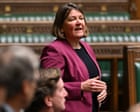
Burnham Postpones Wealth Tax Plans in New Leadership

Burnham Postpones Wealth Tax Plans in New Leadership
Andy Burnham has indicated that wealth tax policy will not be among his immediate priorities following his anticipated appointment as prime minister. The incoming leader's statement represents a significant shift in approach, suggesting he intends to delay any controversial taxation measures that could affect affluent sectors of society.
During remarks on Wednesday, Burnham emphasized his commitment to avoiding what he termed "new divisions" through his fiscal approach. Political insiders close to the future administration interpreted these comments as a clear signal that wealth tax expansion will not feature in the government's initial phase, thereby reassuring business leaders and investors who have expressed concerns about potential revenue-raising measures targeting accumulated assets.
Economic Strategy and Cabinet Expectations
The announcement comes as speculation intensifies regarding key appointments within the new administration. Mahmood is widely expected to assume the role of chancellor, positioning him as the chief architect of the government's financial policy. This anticipated pairing signals a coordinated approach to economic management that prioritizes stability over aggressive wealth redistribution.
Burnham's calculated comments reflect a broader strategic consideration: balancing the demands of different constituencies while maintaining economic growth. By signaling that wealth tax implementation is not imminent, he addresses concerns from the business community that has warned against policies perceived as punitive toward investment and entrepreneurship.
Impact on Government's Fiscal Options
However, the decision to postpone wealth tax policy reforms inevitably constrains the government's available revenue streams. Policymakers must now explore alternative funding mechanisms to support public services, infrastructure development, and social programs without imposing additional levies on accumulated wealth. This limitation presents a complex challenge for Treasury planning and budget allocation across government departments.
The incoming prime minister faces competing pressures from multiple directions. Progressive political voices advocate for more aggressive taxation of the wealthy, while business organizations and high-net-worth individuals warn that such measures could discourage investment and economic dynamism. Burnham's apparent inclination toward postponement suggests a priority on maintaining investor confidence and economic stability during the critical transition period.
Political Unity and Long-term Vision
The emphasis on avoiding "new divisions" through taxation reflects Burnham's articulated vision of inclusive leadership. Rather than immediately implementing contentious policies, he appears to be signaling a preference for building consensus and demonstrating early competence in economic management. This approach suggests a multi-year strategy where controversial measures might be revisited only after the new administration has established its credentials.
The economic strategy taking shape appears to favor incremental changes over transformative reforms in the immediate term. By postponing wealth tax considerations, Burnham aims to create an environment where the private sector feels sufficiently secure to invest and expand, potentially generating increased tax revenues through growth rather than rate increases.
Business Community Response
Reactions from business organizations have generally been positive regarding Burnham's signaled approach. Commercial groups have consistently warned that aggressive wealth taxation could trigger capital flight, reduced investment in job creation, and slower economic growth. The incoming prime minister's apparent receptiveness to these concerns suggests that economic pragmatism will guide policy decisions during his tenure.
The postponement of wealth tax policy reforms does not necessarily indicate permanent abandonment of the concept. Rather, it reflects a judgment that the immediate political and economic climate favors focusing on other policy priorities. Future governments or later phases of the Burnham administration may revisit these considerations once different political conditions prevail.
Broader Tax Reform Considerations
While wealth tax implementation moves to the back burner, other fiscal initiatives remain under consideration. The incoming government may pursue reforms in capital gains taxation, inheritance tax structures, or corporate tax regimes that could achieve revenue objectives through different mechanisms. These alternative approaches might prove less disruptive to economic activity while still generating additional public funds.
The timing of Burnham's statement appears strategically calculated to maximize market confidence ahead of the formal transition. By removing uncertainty about imminent wealth tax policy changes, the incoming administration seeks to stabilize financial markets and encourage continued economic activity during the leadership transition period.
Looking Forward
As Andy Burnham prepares to assume office with Mahmood likely serving as chancellor, the contours of their economic strategy become increasingly clear. The postponement of wealth tax measures signals a pragmatic, business-friendly approach to governance that prioritizes stability and growth over immediate revenue maximization from accumulated assets. Whether this positioning proves sustainable as political pressures evolve remains a question for coming months.