
Carney's Tough Challenge After Rejecting Trump Trade Agreement
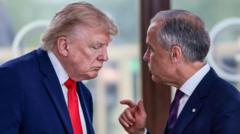
Carney Faces Crucial Test Following Trump Trade Deal Rejection
The Canadian Prime Minister now confronts a pivotal moment in his political career after choosing to withdraw from ongoing negotiations with the Trump administration. Carney's decision to step back from the trade discussions represents a significant gamble with far-reaching implications for Canada's economic future and international standing. The Carney Trump trade deal rejection marks a watershed moment that will test both his political resolve and his government's ability to manage the fallout from this controversial decision.
Understanding the Strategic Withdrawal
Prime Minister Carney's choice to abandon the negotiation table reflects a calculated assessment that the proposed terms would not serve Canada's national interests adequately. Rather than accept potentially unfavorable conditions, he elected to pursue an alternative course of action. This bold maneuver demonstrates a willingness to challenge established power dynamics in international trade relations, even when facing one of the world's most influential economic powers.
The White House negotiations had been characterized by intense discussions centered on tariff structures, investment protections, and sectoral advantages. Carney's team evidently determined that the compromises being demanded would undermine Canadian sovereignty in critical areas. The decision to walk away suggests the Prime Minister believes a different approach, whether through bilateral channels or multilateral frameworks, will yield superior outcomes for the nation.
The Immediate Political Fallout
Carney must now navigate considerable domestic political pressure stemming from his rejection of the Trump trade deal. Various stakeholders across Canada's business community, labor sectors, and provincial governments hold diverse views on the wisdom of this decision. Some view it as principled leadership that protects national interests, while others fear potential economic repercussions from a retaliatory response by Washington.
The timing of this withdrawal places additional pressure on the Prime Minister, as economic uncertainties continue to ripple through global markets. Investors and business leaders closely monitor his next moves, seeking clarity on Canada's trade strategy and long-term economic direction. Carney's communications team faces the challenging task of explaining the rationale behind abandoning these negotiations while simultaneously outlining a credible alternative path forward.
Economic Consequences and Uncertainty
Walking away from the trade discussion introduces substantial economic uncertainty for Canada. Sectors ranging from agriculture to manufacturing to energy production have varying interests in how trade relationships with the United States develop. The Prime Minister's gamble depends substantially on whether alternative arrangements can be negotiated that prove more advantageous than the terms he rejected.
Currency markets, commodity prices, and investor confidence may all experience volatility as markets digest the implications of Carney's stance. International corporations operating across North American borders will reassess their strategies based on this new negotiating environment. The broader question becomes whether Canada's economy can absorb potential short-term disruptions while waiting for more favorable long-term arrangements to materialize.
International Diplomatic Positioning
Carney's decision to withdraw from the Trump trade negotiations signals a particular vision for Canada's role in global commerce. By declining to accept what he perceives as unfair terms, he positions Canada as a nation unwilling to sacrifice core interests for expedient solutions. This approach may resonate with other countries skeptical of bilateral pressures and may strengthen Canada's standing in multilateral trade forums.
The move also reflects broader tensions between nationalist economic policies and traditional free-trade frameworks. Carney's rejection of the deal places him at odds with the protectionist approach favored by the Trump administration, though it simultaneously opens questions about whether Canada possesses sufficient leverage to secure genuinely superior terms through alternative channels.
The Road Ahead
Success or failure of Carney's gamble will ultimately depend on outcomes in coming months and years. Should he successfully broker alternative arrangements that prove more advantageous than the rejected terms, his decision will be vindicated as prudent leadership. Conversely, if economic conditions deteriorate or superior deals fail to materialize, critics will point to this moment as a missed opportunity.
The Canadian Prime Minister must demonstrate clear strategic vision moving forward. His team should articulate detailed plans for trade diversification, investment in domestic industries, and engagement with other international partners. The public needs confidence that walking away from these discussions reflects a coherent long-term strategy rather than mere opposition to the Trump administration's approach.


