
Electric Power Transforms Aviation Into Sustainable Future
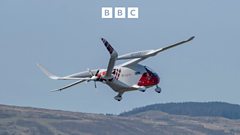
Electric Power Aviation: The Future of Sustainable Flight
Electric power aviation represents one of the most significant developments in the aerospace industry's transition toward environmental responsibility. As traditional aviation fuel continues to contribute substantially to global carbon emissions, electric power has emerged as a transformative alternative that promises to reshape the way we approach air travel. The aviation sector, responsible for approximately 2-3% of global carbon dioxide emissions, is increasingly turning to electric power solutions to meet stringent environmental regulations and passenger expectations for sustainable transportation options.
Understanding Electric Power as an Aviation Fuel Alternative
Electric power fundamentally differs from conventional jet fuel in its operational mechanisms and environmental impact. While traditional aviation fuel relies on combustion to generate thrust, electric power systems utilize advanced battery technology and electric motors to propel aircraft. This distinction is crucial because electric power eliminates direct emissions at the point of use, creating what many environmentalists consider a genuinely clean transportation solution. The shift from fossil fuels to electric power represents a comprehensive reimagining of how aircraft systems function, from propulsion mechanisms to auxiliary power units.
Advantages of Electric Power in Commercial Aviation
The adoption of electric power in aviation offers multiple compelling benefits that extend beyond environmental considerations. Aircraft utilizing electric power systems experience significantly reduced operating costs since electricity is substantially cheaper than jet fuel when accounting for energy efficiency ratios. Airlines implementing electric power technology can expect lower maintenance expenses because electric motors contain fewer moving parts than traditional combustion engines, resulting in decreased wear and tear.
Furthermore, electric power enables quieter flight operations, addressing noise pollution concerns that affect communities near airports worldwide. Passengers aboard electric-powered aircraft experience dramatically reduced cabin noise, enhancing comfort during flights. The reliability of electric power systems also improves overall flight safety, as electric motors demonstrate consistent performance characteristics and reduced mechanical failure rates compared to traditional turbine engines.
Current Challenges and Technological Limitations
Despite its tremendous potential, electric power aviation faces significant hurdles that prevent immediate widespread implementation. Battery technology remains the primary constraint, as current lithium-ion batteries lack the energy density necessary to power large commercial aircraft over extended distances. While electric power works effectively for short-haul regional flights and smaller aircraft, developing electric power solutions for long-haul international aviation requires breakthrough innovations in energy storage technology.
The infrastructure required to support electric power aircraft represents another substantial investment challenge. Airports must install high-capacity charging stations capable of rapidly replenishing aircraft batteries between flights. This transition demands coordinated efforts across government agencies, airport operators, and energy providers to establish a comprehensive electric power charging network comparable to existing fuel distribution systems.
Industry Progress and Future Developments
Leading aircraft manufacturers are actively developing electric power prototypes and conducting extensive research into hybrid-electric systems. These hybrid approaches combine electric power with traditional combustion engines, offering practical solutions for current operational constraints while advancing toward fully electric aviation. Several companies have successfully tested electric power aircraft in controlled environments, demonstrating the viability of electric-powered flight for regional routes.
Regional airlines are pioneering electric power adoption, with routes under 500 miles representing ideal applications for current electric power technology. Companies are investing heavily in electric power infrastructure and training personnel to manage these novel systems, preparing the aviation industry for a sustainable future powered by electric innovation.
Environmental Impact of Electric Power Aviation
Transitioning to electric power in aviation provides substantial environmental benefits when paired with renewable energy sources. Aircraft powered by electric power charged from wind, solar, or hydroelectric facilities produce zero operational emissions, creating genuinely sustainable air transportation. Even when electric power is generated from conventional power plants, the overall carbon footprint of electric aircraft remains considerably lower than traditional aviation options.
The cumulative environmental advantage of electric power becomes increasingly significant as global electricity grids incorporate greater percentages of renewable energy. This synergy means that electric power aircraft will become progressively cleaner throughout their operational lifespans, unlike traditional aircraft that maintain consistent emission levels throughout their service years.
Conclusion: Electric Power Reshaping Aviation
Electric power stands at the forefront of aviation's sustainable transformation, offering a practical pathway toward environmentally responsible air transportation. While challenges remain regarding battery technology and infrastructure development, the momentum supporting electric power continues to accelerate. Industry stakeholders recognize that electric power represents not merely an alternative to traditional aviation fuel, but rather the inevitable future direction of commercial aviation as environmental consciousness and technological innovation converge to reshape how humanity travels by air.


