
Energy Meter Reading Guide Amid 13% Price Surge
Understanding the Current Energy Price Situation
As households across the nation grapple with mounting utility bills, the importance of regular energy meter reading has become more critical than ever. With the latest implementation of Ofgem's price cap resulting in a substantial 13% annual increase in household energy costs, consumers are actively seeking ways to better monitor and manage their consumption patterns.
The regulatory adjustment introduced by Ofgem represents a significant shift in the energy landscape, affecting millions of residents already struggling with financial pressures. This escalation underscores why maintaining accurate energy meter reading practices has become an essential household responsibility rather than an optional task.
Why Energy Meter Reading Matters Now More Than Ever
Accurate energy meter reading serves as the foundation for fair billing and consumption tracking. By regularly monitoring your meter, you gain valuable insights into actual usage patterns rather than relying solely on estimated readings provided by energy suppliers. This practice becomes increasingly important when prices are climbing, as it directly impacts your monthly expenditures.
Many households fail to realize that inaccurate meter readings can lead to overcharges or undercharges that compound over billing cycles. With energy meter reading becoming a focal point for cost-conscious families, taking active control of this process can prevent unnecessary financial burdens.
How to Properly Read Your Energy Meter
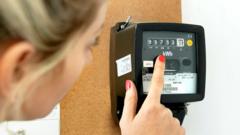
Reading your energy meter correctly is a straightforward process that requires minimal effort but yields significant benefits. Most modern meters display your consumption in kilowatt-hours, showing a series of numbers that indicate total usage since installation. To read your meter accurately, note the figures from left to right, ignoring any red digits that may appear on the display.
For households with smart meters, energy meter reading occurs automatically, sending real-time data to your supplier. However, traditional analogue meters still require manual readings, making this practice an important consumer responsibility. Establishing a monthly routine of checking your meter at the same time each month provides consistency and helps identify unusual consumption spikes.
Managing Energy Costs During Price Cap Increases
With Ofgem's price cap driving up household energy expenses by 13% annually, implementing proactive management strategies becomes essential. Regular energy meter reading is just one component of a comprehensive approach to cost reduction. Complementing this practice with energy-efficient habits can substantially mitigate the impact of rising prices.
Understanding your consumption patterns through consistent energy meter reading enables you to identify which appliances consume the most power and when usage peaks throughout your day. This knowledge empowers households to make informed decisions about energy-saving modifications and behavioral adjustments that directly reduce their bills.
Submitting Accurate Readings to Your Supplier
Once you've completed your energy meter reading, submitting this information to your supplier ensures accurate billing based on actual consumption rather than estimates. Most energy companies provide multiple submission methods, including online portals, mobile applications, telephone services, and postal mail. Providing regular readings removes the uncertainty of estimated bills and protects you from potential overcharges.
During periods of rising energy prices like those triggered by the recent Ofgem price cap adjustment, timely submission of your energy meter reading becomes even more critical. Delayed or missing submissions can result in billing based on previous consumption patterns, potentially leading to significant overcharges once the price adjustment is calculated.
Long-Term Benefits of Regular Meter Monitoring
Establishing a habit of regular energy meter reading creates a documented record of your household's consumption over time. This historical data proves invaluable when analyzing trends, planning energy efficiency upgrades, or comparing rates between suppliers. As the energy market continues to evolve and prices potentially increase further, having comprehensive consumption records positions households to make strategic decisions about their energy provider relationships.
Furthermore, consistent energy meter reading practices create awareness that often naturally leads to reduced consumption. Households that actively monitor their meters typically exhibit more conscious energy usage, resulting in measurable savings that help offset the impact of Ofgem's 13% price cap increase.


