
Ford Brings Back Engineers as AI Quality Checks Fall Short
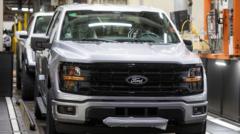
Ford's Strategic Shift: From Automation Back to Human Expertise
In a significant reversal of automation strategies, Ford has made the decision to rehire experienced human engineers after discovering that AI quality control systems could not adequately replicate the proficiency of seasoned technicians. The automotive manufacturer's move underscores growing concerns about the limitations of artificial intelligence in specialized manufacturing environments where precision and reliability are paramount.
The Challenge with AI Quality Control Implementation
Ford's initial investment in AI-driven quality control systems represented the company's commitment to modernization and operational efficiency. However, the implementation revealed critical gaps in the technology's ability to detect and address defects with the same level of accuracy that human expertise provides. AI quality control failures became increasingly apparent as the system struggled to identify subtle manufacturing inconsistencies that experienced engineers routinely catch during manual inspections.
The automotive industry faces unique demands where quality assurance directly impacts consumer safety and brand reputation. Traditional quality checks performed by veteran technicians incorporate years of accumulated knowledge, intuitive pattern recognition, and contextual understanding of manufacturing processes. These elements proved difficult to replicate through algorithmic approaches, no matter how sophisticated the underlying machine learning models were.
Why Human Expertise Remains Irreplaceable
The skill set that veteran technicians bring to manufacturing quality assurance extends beyond simple defect detection. Experienced engineers understand the nuances of production variations, can anticipate potential failure points, and make judgment calls based on deep industry knowledge. When Ford implemented automated systems, these critical components of quality assurance were reduced to quantifiable metrics that failed to capture the full complexity of vehicle manufacturing.
The reinstatement of human engineers reflects a broader recognition within the automotive sector that certain specialized roles require human judgment. Quality assurance in vehicle production involves assessing not just whether a component meets specifications, but whether it will perform reliably across diverse conditions and extended timeframes.
The Cost of Inadequate Quality Assurance
Manufacturing precision stands at the foundation of automobile production. Defects that slip through inadequate quality control systems can result in costly recalls, damage to brand reputation, and potential safety hazards for consumers. Ford's decision to bring back experienced technicians demonstrates that the financial burden of failed automation outweighs the operational savings promised by replacing human workers with artificial intelligence systems.
The automotive quality assurance process requires continuous assessment and real-time decision-making. Human engineers excel in these dynamic environments, where they can adjust inspection protocols based on observed patterns and emerging concerns. AI systems, by contrast, operate within predetermined parameters and struggle when confronted with novel situations or edge cases that fall outside their training data.
Broader Implications for Artificial Intelligence in Manufacturing
Ford's experience with AI limitations in quality control carries significance beyond a single company or facility. The automotive manufacturing sector has viewed automation and artificial intelligence as inevitable components of future production strategies. However, this case study suggests that certain manufacturing functions may not be suitable for full automation without substantial human oversight.
The decision to rehire engineers also reflects changing perspectives on workforce development within the manufacturing industry. Rather than viewing human workers and automated systems as competing alternatives, forward-thinking manufacturers are beginning to recognize hybrid approaches that combine technological advantages with irreplaceable human capabilities.
Moving Forward: A Balanced Approach
Ford's pivot toward reintegrating human expertise into its quality control operations demonstrates pragmatic decision-making in response to real-world performance data. This approach acknowledges that artificial intelligence limitations exist and that acknowledging these constraints represents sound business strategy rather than technological failure.
The company's willingness to invest in rehiring experienced engineers signals confidence in human judgment and specialized knowledge. Going forward, the automotive industry will likely embrace more nuanced strategies that leverage AI for routine, repetitive tasks while preserving human roles in complex quality assurance functions where expertise and intuitive judgment prove essential for manufacturing excellence.


