
France Reports Sharp Rise in Drowning Deaths During Intense Heatwave
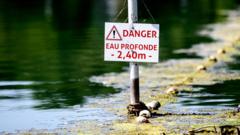
Drowning Deaths Surge During France's Severe Heatwave
Drowning deaths in France have reached critical levels as the nation experiences an unprecedented heatwave affecting vast regions of Europe. Prime Minister Sébastien Lecornu confirmed that forty individuals have lost their lives in water-related incidents since last Thursday, marking a dramatic escalation in casualties directly attributed to the extreme heat conditions sweeping the continent.
The sharp increase in drowning deaths represents a significant public health concern, with authorities linking the fatalities to the extreme temperatures driving unprecedented numbers of people to water bodies in search of relief. These drowning deaths highlight the dangerous consequences of the prolonged heatwave, which has created hazardous conditions both in and out of water.
Understanding the Heat-Related Emergency
Europe is currently experiencing one of its most intense heatwaves in recent years, with temperatures soaring to record-breaking levels across multiple nations. France, positioned at the epicenter of this meteorological crisis, faces mounting challenges as residents and tourists desperately seek ways to cool down during the dangerous heat period.
The correlation between extreme heat and increased water-related accidents has become increasingly evident. Medical experts and safety officials attribute the surge in drowning incidents to several interconnected factors, including the overwhelming desire to immerse oneself in water bodies, inadequate supervision in overcrowded swimming areas, and the physical toll extreme heat places on the human body.
Impact on Public Safety and Emergency Services
Emergency response teams across France have been stretched to capacity as they manage the escalating crisis. The drowning deaths reported by Prime Minister Lecornu represent only the documented fatalities, and officials fear additional unreported incidents may have occurred in remote locations or private water areas.
Public pools, lakes, rivers, and coastal regions have witnessed unprecedented visitor numbers as people attempt to escape the oppressive heat. This surge in water activity, combined with often inadequate lifeguard presence and safety infrastructure, has created dangerous conditions that have proven fatal for numerous individuals.
Preventive Measures and Safety Recommendations
Authorities have issued urgent safety advisories to the public, emphasizing the importance of water safety precautions during extreme heat events. Officials recommend avoiding swimming during peak heat hours, never swimming alone, and ensuring proper supervision, particularly for children and elderly individuals.
The government has also called for increased monitoring of public swimming areas and the deployment of additional lifeguard personnel to high-risk locations. Health officials stress that while swimming provides temporary relief from extreme temperatures, proper safety measures are essential to prevent drowning deaths and other heat-related casualties.
Broader European Context
France's crisis reflects a wider pattern affecting multiple European nations grappling with similar heatwave conditions. Neighboring countries are reporting comparable increases in heat-related health emergencies, including drowning deaths and heat exhaustion cases. The European Union has activated emergency protocols to coordinate response efforts across member states.
The convergence of extreme heat and increased water activity represents an unprecedented challenge for public health systems continent-wide. Meteorological forecasts suggest the heatwave may persist for several additional days, raising concerns about further casualties and strain on emergency services.
Long-Term Implications and Climate Concerns
The severity and frequency of such extreme weather events have sparked renewed discussions about climate change and environmental policy across Europe. Experts warn that these heatwaves may become increasingly common, necessitating comprehensive long-term strategies for public safety and disaster preparedness.
As France continues to battle this crisis, the tragic drowning deaths serve as a stark reminder of nature's power and the importance of preparedness in an era of changing climate patterns. Communities are urged to develop comprehensive emergency response plans and public education initiatives to mitigate future risks during extreme weather events.


