
Gaza Strikes Claim Six Lives Including Al Jazeera Cameraman
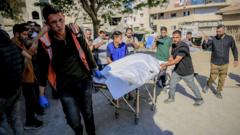
Israeli Military Operations Result in Multiple Casualties
Recent Gaza strikes have resulted in the deaths of six individuals, including a prominent Al Jazeera cameraman, according to local officials and international media sources. The incidents mark another significant development in the ongoing military operations affecting the Palestinian territory, with implications for both regional stability and press freedom.
Ahmed Wishah and the Al Jazeera Connection
Among those killed in the Gaza strikes was Ahmed Wishah, a cameraman working for the international news organization Al Jazeera. His death has raised concerns about journalist safety and the ability of media personnel to conduct their work independently in conflict zones. Al Jazeera has not yet issued an official statement regarding the circumstances surrounding Wishah's death, but his loss represents another incident affecting foreign press operations in the region.
Israeli Military's Position on the Incident
The Israeli military has made claims regarding the nature of those targeted in these Gaza strikes, specifically alleging that Ahmed Wishah held the position of a Hamas sniper operative. However, the military has not provided concrete evidence to support these allegations. This assertion has become a point of contention among international observers, human rights organizations, and media outlets monitoring the situation.
Lack of Transparency and Verification Challenges
One of the most contentious aspects surrounding these Gaza strikes is the absence of corroborating documentation or evidence presented by military authorities to substantiate their claims. The Israeli military's accusation that Wishah operated as a sniper for Hamas remains unverified by independent sources. This lack of transparency has intensified debates about accountability and the standards applied when evaluating military operations in conflict zones.
International Response and Concerns
The incident has drawn attention from international journalism organizations and human rights groups concerned about the safety of media professionals operating in Gaza. Press freedom advocates emphasize the importance of protecting journalists and cameramen who document events in active conflict areas. The deaths resulting from these Gaza strikes underscore the dangerous environment in which foreign correspondents and local media personnel operate.
Implications for Media Operations
The targeting or killing of media personnel during military operations raises fundamental questions about the distinction between combatants and non-combatants in armed conflicts. Al Jazeera, as a major international news organization with significant presence in the Middle East, has repeatedly emphasized the importance of protecting its staff from harm during their journalistic assignments.
Broader Context of Regional Tensions
These Gaza strikes occur within a broader context of escalating tensions and military operations in the region. The deaths of six people, including someone identified by Al Jazeera, represent part of a larger pattern of civilian casualties that humanitarian organizations continue to document and investigate. Each incident adds to the cumulative toll on civilian populations caught in conflict.
Seeking Accountability and Evidence
Observers and international bodies have called for clearer investigation procedures and greater transparency regarding the justification for military operations in Gaza strikes scenarios. The allegations made by the Israeli military require substantiation through independent verification processes to meet international standards of accountability. Without such evidence, claims remain disputed by various stakeholders.
Looking Forward
The incident involving the Al Jazeera cameraman and the broader Gaza strikes highlight ongoing challenges in conflict reporting and military operations. As investigations continue, questions persist about the circumstances, justifications, and consequences of these military actions. The international community remains focused on ensuring that all parties adhere to international humanitarian law and that media personnel receive appropriate protection during their professional duties in conflict zones.


