
Hamas Disarmament Plan Presents Hope Despite Major Obstacles in Gaza
Hamas Disarmament Plan: A Complex Path Toward Stability
The Hamas disarmament plan represents one of the most ambitious initiatives to address conflict resolution in Gaza, offering a glimmer of possibility despite facing formidable obstacles. While the proposal emerges amid extraordinary political pressures and deep-seated mistrust between parties, experts suggest that a structured Hamas disarmament plan could fundamentally alter the trajectory of peace negotiations in the region.
The framework for Hamas disarmament involves multiple stakeholders with competing interests and decades of animosity. International observers acknowledge that implementing such a comprehensive initiative requires unprecedented cooperation between entities that have long viewed each other with suspicion. The Hamas disarmament plan must navigate intricate diplomatic landscapes while addressing the legitimate security concerns of all involved parties.
The Severe Challenges Confronting Peace Negotiations
Political Complexities and Power Dynamics
The political landscape surrounding any disarmament agreement remains extraordinarily complicated. Multiple governments, regional powers, and international organizations maintain conflicting interests in Gaza's future. Each faction involved—whether governmental bodies, militant organizations, or international mediators—brings distinct agendas to negotiations. These divergent priorities create substantial friction that threatens to derail progress toward meaningful resolution.
The Legacy of War and Destruction
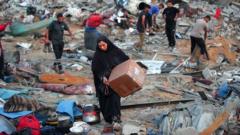
Gaza's devastated infrastructure and widespread human suffering create additional complications for implementing a Hamas disarmament plan. The extensive destruction resulting from military conflicts has displaced countless residents, destroyed homes, hospitals, schools, and essential services. When populations face inadequate shelter, medical care, and basic necessities, focusing on disarmament mechanisms becomes significantly more challenging. Residents naturally prioritize immediate survival and reconstruction over geopolitical agreements.
The Trust Deficit Among Stakeholders
Perhaps the most fundamental obstacle involves the near-total absence of trust between parties. Years of violence, broken agreements, and mutual accusations have created an environment where confidence in any accord seems virtually impossible. Each side harbors deep skepticism regarding the other's intentions and commitment to keeping terms. This zero-trust dynamic means that any disarmament agreement requires extraordinary verification mechanisms and international oversight.
Thousands of Casualties and Humanitarian Impact
The human cost of previous conflicts directly influences the feasibility of a Hamas disarmament plan. The deaths of thousands—civilians and combatants alike—have created grieving families, communities seeking justice, and populations demanding accountability. When citizens have lost loved ones, they naturally question whether agreements serve their interests or merely benefit political elites. Reconciliation becomes exponentially more difficult when communities mourn substantial losses.
The psychological trauma affecting Gaza's population cannot be overlooked when considering disarmament initiatives. Generations have grown up amid conflict, knowing primarily destruction and instability. Building peace requires healing these deep emotional wounds, which takes considerably longer than signing diplomatic documents.
Why Hope Persists Despite Overwhelming Difficulties
Despite these substantial obstacles, the Hamas disarmament plan offers genuine reasons for cautious optimism. International community commitment to Gaza's stability has reached unprecedented levels, with multiple nations pledging resources for reconstruction and peacekeeping operations. Mediation efforts involving respected international figures and organizations suggest serious intent toward resolution.
Additionally, younger generations increasingly recognize that military solutions perpetuate cycles of suffering without delivering genuine security or prosperity. This evolving consciousness creates constituency pressure on traditional leaders to pursue alternatives. The Hamas disarmament plan aligns with this emerging sentiment, potentially accelerating acceptance among populations weary of endless conflict.
Pathways Forward and Implementation Considerations
Successful implementation of any Hamas disarmament plan requires phased approaches that address security concerns gradually. Rather than immediate, comprehensive disarmament, staged agreements involving confidence-building measures offer more realistic progression. International observers must participate in verification processes to reassure skeptical populations that all parties honor commitments.
Reconstruction initiatives must accompany disarmament agreements, demonstrating immediate benefits to populations. When residents witness tangible improvements in their living conditions—repaired infrastructure, restored services, economic opportunities—support for peace agreements strengthens considerably. Linking disarmament with reconstruction creates mutually reinforcing positive momentum.
Conclusion: Rare Hope Amid Complicated Realities
The Hamas disarmament plan certainly faces unprecedented challenges rooted in political complexity, regional mistrust, and humanitarian suffering. Yet its emergence indicates that stakeholders increasingly recognize military escalation's futility. While obstacles remain formidable, the rare opportunity this plan represents should not be dismissed. Careful negotiation, international mediation, and sustained commitment to reconstruction could transform Gaza's trajectory toward genuine stability and prosperity.


