
Indian Medical Exam Reinstated with Enhanced Security After Paper Leak
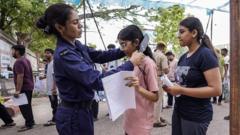
Enhanced Security Protocol Implemented Following Medical Exam Controversy
A significant medical exam paper leak in India has prompted unprecedented security measures, with authorities deploying the Indian Air Force to ensure the integrity of rescheduled examinations. The medical exam paper leak incident has forced millions of candidates to undergo stringent verification procedures, including biometric checks and comprehensive physical frisking before entering examination halls.
Biometric Verification and Security Screening Procedures
The implementation of the medical exam paper leak prevention strategy includes state-of-the-art biometric authentication systems designed to verify the identity of each candidate before they access the examination premises. Every student must pass through multiple security checkpoints, where their fingerprints, facial recognition data, and other biometric markers are cross-referenced against official databases.
Beyond biometric technology, candidates face thorough frisking procedures to eliminate any possibility of unauthorized materials or communication devices entering the examination centers. Security personnel conduct comprehensive pat-downs and inspect personal belongings with meticulous attention to detail. This multi-layered approach represents an extraordinary response to the medical exam paper leak crisis that shook confidence in the examination system.
Indian Air Force Deployment for Exam Security
In an unprecedented move, the Indian Air Force has been mobilized to oversee and secure examination papers throughout the testing period. Military personnel are stationed at critical points within examination centers and at secure storage facilities where test materials are kept. This deployment underscores the seriousness with which authorities are treating the medical exam paper leak situation and demonstrates their commitment to preventing any future breaches of examination security.
The Air Force's involvement extends beyond physical security presence. Military logistics personnel assist in the transportation of sealed examination materials, ensuring that every package remains under surveillance and control from the moment papers leave secure printing facilities until they reach individual examination halls. This chain-of-custody protocol makes it virtually impossible for anyone to access or distribute examination content before the scheduled test time.
Impact on Millions of Medical Aspirants
The scale of this security response reflects the magnitude of the medical exam paper leak incident, which affected millions of candidates across India. Students preparing for medical entrance examinations have endured considerable stress and uncertainty following the initial breach. Many spent additional weeks preparing for the rescheduled examination, uncertain about whether similar security failures might occur again.
For candidates, the enhanced screening procedures mean arriving at examination centers substantially earlier than in previous years. Students must account for extended waiting times as they progress through biometric verification and security checkpoints. Despite the inconvenience, most candidates view these measures as necessary safeguards that ensure fairness and maintain the credibility of their medical entrance examinations.
Systemic Reforms Following the Medical Exam Paper Leak
The medical exam paper leak has catalyzed comprehensive reforms in how examination bodies manage test security. Beyond immediate measures like Air Force deployment and biometric screening, authorities are implementing technological upgrades to examination center infrastructure. New surveillance systems, encrypted communication protocols, and digital examination tracking mechanisms are being installed to detect and prevent any unauthorized access to test materials.
Additionally, personnel working with examination papers undergo enhanced background checks and security clearances. Employees involved in printing, packaging, transportation, and distribution of examination materials are now subject to more rigorous vetting procedures. The medical exam paper leak investigation has revealed gaps in personnel security protocols, leading to stricter hiring and oversight standards across the examination administration sector.
Rebuilding Public Confidence in Examination Systems
The medical exam paper leak incident has damaged public confidence in examination administration in India. Parents, educators, and students questioned how such a serious breach could occur and what protections were in place. Through aggressive deployment of security measures, including the Indian Air Force's involvement and comprehensive biometric verification systems, authorities aim to demonstrate that the examination system has been fundamentally strengthened.
The visibility of security measures—from uniformed Air Force personnel to biometric screening stations—serves a psychological purpose beyond mere fraud prevention. These tangible safeguards reassure candidates that their examination results will be earned fairly and that the medical exam paper leak represents a resolved crisis rather than evidence of systemic incompetence.
Long-Term Implications for Educational Assessment
The medical exam paper leak may prompt similar security enhancements across other high-stakes examination systems in India. Competitive entrance exams for engineering, law, and other professional fields could eventually adopt comparable biometric verification and military-supervised security protocols. This incident serves as a cautionary tale about the vulnerabilities in large-scale examination administration and the technological and institutional responses required to address them.
As candidates sit for their rescheduled medical entrance examinations under unprecedented security conditions, the medical exam paper leak remains a defining moment in Indian educational assessment history. The response demonstrates both the vulnerability of examination systems and the determination of authorities to protect the integrity of educational credentials for millions of aspiring medical professionals across the nation.


