
Infantino Opponents Demand Resignation or Risk Fifa Non-Cooperation
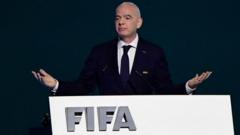
FIFA Leadership Crisis Deepens as Opposition Forces Mount Pressure
The international football governing body faces unprecedented internal turmoil as Infantino opponents escalate their campaign to force organizational change. Senior UEFA officials have made clear that continued opposition to FIFA's current leadership direction could result in widespread non-cooperation with the institution, marking a significant escalation in the ongoing dispute over the organization's future direction.
Nature of the Threat: Non-Cooperation Strategy
The threat of non-cooperation from Infantino's adversaries represents a serious challenge to FIFA's operational stability. Rather than pursuing conventional administrative channels, opposition members within UEFA have signaled their willingness to withdraw collaborative support across multiple FIFA initiatives and programs. This strategic approach reflects the depth of dissatisfaction among senior football administrators regarding current governance practices.
According to reports from high-ranking UEFA sources, the non-cooperation stance would extend to various organizational functions unless the Infantino presidency is vacated. The measure underscores how contentious the relationship has become between regional football bodies and the central FIFA authority.
Positions of Senior UEFA Sources
Multiple senior UEFA officials have privately conveyed their frustration with FIFA's current administrative direction. These insiders have consistently characterized the situation as untenable, suggesting that fundamental changes in leadership are necessary to restore confidence in international football governance. The backing of such senior figures amplifies the credibility and potential impact of these threats.
These UEFA representatives view the Infantino presidency as incompatible with transparent governance standards they believe should define modern sports administration. Their willingness to consider non-cooperation tactics demonstrates the seriousness with which they view this governance challenge.
Implications for FIFA Operations
The potential for widespread non-cooperation could significantly disrupt FIFA's ability to coordinate international football activities. European confederations represent a crucial component of FIFA's operational framework, and their withdrawal of support would create substantial logistical and administrative complications.
The threat carries particular weight given UEFA's prominence in global football. As the governing body for European football, UEFA's potential withdrawal of cooperation would affect tournament scheduling, regulatory compliance, and policy implementation across FIFA's continental network.
Background and Context
The conflict between Infantino opponents and current FIFA leadership reflects deeper divisions within international football governance. Questions regarding transparency, accountability, and administrative priorities have fueled ongoing tension between FIFA's central authority and regional confederations.
The emergence of organized opposition from UEFA sources suggests that discontent extends beyond isolated complaints to represent a coordinated governance challenge. The specificity of these threats indicates that opposition forces have moved beyond rhetorical criticism toward concrete strategic planning.
Next Steps and Resolution Prospects
The timeline for potential Infantino opponent actions remains unclear, as does FIFA's intended response to these escalating demands. However, the explicit nature of the non-cooperation threat suggests that a critical juncture approaches in international football governance.
Football administrators and organizational observers are monitoring developments closely, as the outcome of this dispute could reshape how international sports governance operates. Whether dialogue can resolve tensions or whether opposition forces will implement threatened non-cooperation measures remains to be determined in coming months.


