
Infantino Remains Unfazed by European Backlash on Trump Intervention
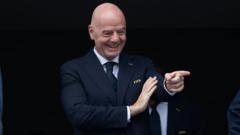
Infantino's Decade at FIFA Helm Withstands European Pressure
The mounting criticism from European football authorities regarding Gianni Infantino's openness to Trump intervention appears unlikely to destabilize the FIFA president's position, despite growing calls for accountability. After a full decade steering international soccer's governing body, Infantino has demonstrated remarkable resilience against institutional opposition, and current European backlash follows a familiar pattern of dissent that has rarely translated into concrete action.
The Balogun Controversy: A Test of Institutional Resolve
The Folarin Balogun eligibility dispute has emerged as a focal point for criticism, with several European nations questioning decision-making processes at FIFA headquarters. However, the controversy surrounding the English striker's international status, while capturing headlines across the continent, represents just another chapter in a lengthy history of disputes that have challenged Infantino's administration without producing meaningful consequences for his leadership tenure.
European federation presidents have expressed concerns about external political intervention in FIFA matters, particularly regarding governmental pressure on player eligibility determinations. Yet institutional analysis suggests these complaints, though vocally articulated through official channels, lack the unified coalition necessary to initiate formal removal procedures or substantive governance reforms.
Historical Precedent: European Opposition Without Electoral Impact
Throughout his presidency, Infantino has encountered persistent resistance from UEFA member associations regarding tournament formats, commercial arrangements, and administrative transparency. Previous controversies—including disputes over World Cup expansion proposals and revenue distribution mechanisms—generated equally forceful European objections without translating into electoral challenges at FIFA congresses.
The power structure within FIFA's governance framework tilts significantly toward confederations representing African, Asian, and South American interests, which collectively command substantial voting majorities. European complaints, while commanding media attention and diplomatic weight, ultimately represent minority positions within FIFA's formal decision-making architecture.
Trump Administration Interest: External Pressure Paradox
The intersection of Trump administration interest in international soccer governance introduces a novel dynamic to FIFA's political landscape. Rather than weakening Infantino's position, such external backing potentially strengthens his negotiating capacity with rivals and skeptical confederations, particularly regarding United States hosting privileges and commercial broadcasting arrangements.
American political influence at FIFA headquarters operates differently than traditional European institutional channels. Where European federations depend on organizational legitimacy and regulatory compliance, American governmental pressure operates through commercial leverage and diplomatic corridors that Infantino must navigate strategically but can ultimately weaponize against fractious opposition.
Institutional Inertia and Succession Challenges
Replacing an incumbent FIFA president requires mobilizing supermajority support across geographically dispersed member associations with competing commercial interests and divergent policy priorities. No viable alternative candidate has emerged commanding sufficient cross-regional appeal to challenge Infantino's re-election prospects at scheduled FIFA congresses.
European confederation leaders recognize that organizing removal campaigns against sitting presidents historically demands extraordinary unity and sustained momentum—resources currently unavailable within UEFA's fractious membership. Individual national federation complaints, however justified substantively, remain insufficient for triggering formal accountability mechanisms under FIFA's constitutional framework.
The Balogun Precedent in Broader Context
While the Balogun eligibility determination reflects questionable decision-making processes, it simultaneously demonstrates Infantino's willingness to make consequential rulings despite anticipated opposition. This decisiveness, coupled with demonstrated survival capacity against previous controversies, signals that European backlash operates primarily as diplomatic irritant rather than institutional threat.
The controversy ultimately reinforces a pattern: European football authorities raise procedural objections, international media amplifies concerns, diplomatic channels become briefly activated—yet FIFA's administrative apparatus continues functioning under Infantino's direction, essentially unfettered by external pressure campaigns.
Conclusion: European Criticism Without Institutional Remedy
As FIFA's leadership structure currently exists, European backlash over Trump intervention or player eligibility controversies carries limited practical consequence for Infantino's continued presidency. Without fundamental governance reforms—unlikely given the incumbent's influence over rules modification procedures—European federations will likely persist in registering protests that, while resonant politically, remain institutionally inconsequential.


