
Iran Closes Strait of Hormuz Following Israeli Military Operations in Lebanon
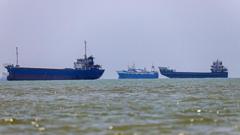
Iran Announces Strait of Hormuz Closure Amid Escalating Regional Tensions
Tehran has declared a significant maritime restriction, announcing that the Strait of Hormuz closure represents a direct response to ongoing military operations targeting Lebanese territory. The Iranian government asserts that the Strait of Hormuz closure decision stems from escalating Israeli military actions that violate the fundamental terms of previous diplomatic arrangements with Washington.
The Breach of International Agreements
According to Iranian officials, the continued military strikes conducted by Israeli forces against Lebanon constitute a material breach of the understanding reached between Tehran and the United States regarding conflict termination. The Strait of Hormuz closure announcement underscores Tehran's growing frustration with what it characterizes as sustained Israeli aggression in violation of established ceasefire protocols.
The Iranian government maintains that these military operations fundamentally undermine the diplomatic framework negotiated between Iran and American representatives. This assertion highlights the interconnected nature of conflicts across the region and the broader implications for international maritime commerce and geopolitical stability.
Strategic and Economic Implications
The declaration of the Strait of Hormuz closure carries profound consequences for global energy markets and international trade. The strategic waterway, through which substantial quantities of petroleum and natural gas transit daily, represents one of the world's most critical maritime passages. Any disruption to this vital chokepoint inevitably impacts oil prices, shipping routes, and economic activity worldwide.
The Strait of Hormuz closure announcement reflects Tehran's willingness to employ its most potent economic leverage in response to regional military developments. This maneuver demonstrates Iran's determination to counteract what it perceives as Israeli military escalation and American acquiescence to such operations.
Regional Military Dynamics and Lebanese Territory
The attacks on Lebanon that precipitated Tehran's response represent a continuation of heightened military tensions affecting the broader region. These operations have drawn international concern and criticism from various quarters within the global community. The targeting of Lebanese infrastructure and populations has amplified calls for de-escalation and renewed diplomatic engagement.
Iran's position emphasizes that Lebanon's territorial integrity and civilian safety constitute non-negotiable principles under international law. The Iranian government frames its response as a necessary counter-measure to protect the region from further destabilization.
Diplomatic Framework and International Response
The original agreement negotiated between Tehran and Washington was intended to establish parameters for reducing conflicts and creating pathways toward sustainable regional stability. However, the continuation of military operations has created significant strain on this diplomatic arrangement.
International observers and diplomatic analysts note that the Strait of Hormuz closure announcement represents a critical juncture in Middle Eastern geopolitical relations. The move signals Tehran's escalatory intent while simultaneously demonstrating its capacity to disrupt global economic systems.
Future Outlook and Potential Consequences
The implications of this maritime restriction remain uncertain, with experts divided on whether Iran will implement a complete blockade or employ the announcement as a negotiating tactic. Global markets have already begun responding to the announcement, with energy prices experiencing notable fluctuations.
The situation underscores the fragile balance of power in the region and the persistent challenges facing international diplomacy. Without immediate de-escalation efforts and renewed commitment to established agreements, the region faces the prospect of further conflict expansion and economic disruption affecting worldwide systems.


