Iran Proposes Opening Strait of Hormuz Within Six Days
Iran's Strategic Proposal to Trump
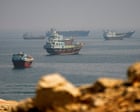
The Strait of Hormuz has become a focal point in diplomatic negotiations between Iran and the United States. Iran has recently communicated to President Donald Trump an ambitious proposal regarding the Strait of Hormuz, offering to open this critical waterway within a six-day timeframe. This initiative represents a significant move in the ongoing negotiations between the two nations, with far-reaching implications for global energy markets and regional stability.
The proposal for opening the Strait of Hormuz comes with specific conditions that Iran has outlined as essential to its implementation. According to Iranian officials, the country expects the United States to lift comprehensive sanctions targeting Iran's oil exports as a prerequisite for proceeding with this arrangement. Additionally, Iran has demanded that Washington end military interventions on all fronts throughout the region, with particular emphasis on ceasing support for operations in Lebanon and other contested areas.
Conditions for Nuclear Talks
Beyond the immediate opening of the Strait of Hormuz, Iran has structured its proposal to accelerate negotiations concerning its nuclear program. The timeframe presented involves initiating substantive talks on Iran's nuclear capabilities just one day after the strait would be reopened, representing an expedited negotiation schedule compared to previously discussed timelines. This compressed schedule demonstrates Iran's apparent eagerness to move discussions forward at a faster pace than originally contemplated.
The nuclear program talks component of this proposal is directly connected to the memorandum of understanding that the United States and Iran signed in June. That foundational agreement established the framework for future negotiations, but the current proposal seeks to accelerate the implementation of key provisions. By condensing the timeline for nuclear discussions, Iran appears to be attempting to create momentum that could lead to broader agreements on multiple fronts simultaneously.
Frozen Assets and Comprehensive Resolution
The Iranian proposal also addresses the matter of frozen assets held internationally as a result of sanctions imposed over multiple decades. Iran has explicitly requested the release of these frozen funds as part of any comprehensive agreement. This financial component reflects Iran's concerns about the severe economic consequences of international sanctions and represents a critical negotiating point in the broader discussion.
Lifting sanctions on Iran's oil exports represents perhaps the most economically significant element of the proposal. The oil export sanctions have severely constrained Iran's ability to generate foreign currency and fund its domestic economy. By conditioning the opening of the Strait of Hormuz on this sanction relief, Iran is leveraging one of its most strategically valuable assets—control over a waterway through which a significant portion of global oil shipments pass—to achieve economic objectives.
Regional Conflict Resolution
Iran's insistence on ending the war on all fronts demonstrates the country's broader strategic concerns extending beyond bilateral US-Iran relations. The specific mention of Lebanon reflects Iran's support for various militant groups and its role in regional proxy conflicts. By including this condition, Iran is essentially demanding that the United States cease not only direct military actions but also support for Israeli operations and other regional conflicts in which Iran perceives American involvement.
This multifaceted approach to negotiations suggests that Iran views the opening of the Strait of Hormuz as a valuable bargaining chip that warrants significant concessions from the United States across multiple issue areas. The proposal reflects careful strategic calculation about what matters most to each party and how leverage can be used to achieve comprehensive agreements rather than piecemeal solutions.
Implications for Global Energy Markets
The potential opening of the Strait of Hormuz carries enormous implications for global energy security and pricing. Approximately one-third of all seaborne traded oil passes through this strategic chokepoint annually. Any disruption or threatened closure of the strait has historically caused significant volatility in international oil markets and raised concerns among oil-importing nations worldwide.
Iran's proposal to open the Strait of Hormuz in a defined timeframe, should conditions be met, essentially offers to remove this source of uncertainty from global markets. For many nations dependent on Middle Eastern oil supplies, the guarantee of unobstructed transit through the strait represents a valuable outcome that could support more stable energy prices and predictable supply chains.
The Broader Negotiation Context
The Trump administration has not yet publicly responded to Iran's proposal regarding the Strait of Hormuz and the accompanying conditions. The administration's response will likely reflect its broader strategic approach to Iran policy and its assessment of which concessions are acceptable in exchange for the various benefits offered by Iran. The timeline proposed by Iran suggests an expectation of relatively rapid decision-making from the American side.
This proposal emerges within the context of existing international agreements and the June memorandum of understanding, which both parties have referenced in their negotiations. How these existing frameworks interact with the new proposal will likely be central to subsequent diplomatic discussions and the eventual shape of any agreements that might emerge from these negotiations.