Irregular Periods Warrant PMOS Screening: New NHS Guidance
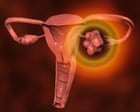
NHS Issues New Screening Recommendations for PMOS
Healthcare authorities have released updated guidance recommending that women experiencing irregular periods undergo evaluation for polyendocrine metabolic ovarian syndrome, commonly referred to as PMOS. This condition, previously known as polycystic ovarian syndrome, represents a significant yet frequently overlooked health concern affecting millions of women worldwide.
According to recent NHS guidance, approximately 4 million women in the United Kingdom with menstrual irregularities should be investigated for PMOS to ensure proper diagnosis and management. The guidance addresses longstanding concerns about underdiagnosis and inconsistent treatment approaches within the healthcare system.
Understanding PMOS Prevalence and Impact
Polyendocrine metabolic ovarian syndrome is considerably more common than many healthcare professionals and patients realize. The World Health Organization estimates that PMOS affects up to 13% of women of reproductive age globally, making it one of the most prevalent endocrine disorders among this demographic.
Despite its prevalence, PMOS screening and diagnosis practices remain fragmented across different healthcare settings. The new NHS guidance seeks to standardize assessment protocols and improve early detection rates, ensuring that women receive timely and consistent care.
Why Irregular Periods Matter for PMOS Detection
Menstrual irregularities serve as a critical indicator for potential PMOS development. Women experiencing unpredictable or abnormal menstrual cycles often present with underlying hormonal imbalances characteristic of this condition. Early identification through systematic screening allows healthcare providers to initiate appropriate interventions and preventive strategies.
The connection between irregular periods and PMOS extends beyond menstrual dysfunction. Women with this syndrome frequently experience additional symptoms including fertility challenges, weight management difficulties, and metabolic complications. Addressing PMOS through targeted screening enables comprehensive health management addressing multiple dimensions of the condition.
Implementation of Enhanced Screening Protocols
The NHS guidance emphasizes the importance of implementing standardized screening procedures across primary and secondary care settings. Healthcare professionals are encouraged to maintain heightened awareness when encountering patients reporting menstrual abnormalities, recognizing these presentations as potential indicators requiring further investigation.
Comprehensive PMOS assessment typically involves clinical evaluation, hormonal testing, and imaging studies to confirm diagnosis. The new guidance provides clarity on recommended diagnostic approaches, ensuring consistency in how women are evaluated and reducing diagnostic delays that historically characterized PMOS management.
Addressing Diagnostic and Management Inconsistencies
Prior to these recommendations, significant variation existed in how healthcare systems approached PMOS diagnosis and treatment. Some women received appropriate care while others experienced prolonged periods without accurate diagnosis despite presenting with characteristic symptoms.
The guidance represents a coordinated effort to eliminate these inconsistencies and establish clear diagnostic thresholds and management pathways. By standardizing approaches to PMOS screening in women with irregular periods, the NHS aims to improve outcomes and reduce the diagnostic delays that many affected women currently experience.
Implications for Women's Health Services
Implementation of enhanced PMOS screening represents a significant shift in how women's health is managed within the NHS. By proactively investigating irregular periods rather than dismissing them as normal variation, healthcare providers can identify affected individuals earlier and intervene more effectively.
This approach acknowledges the substantial health and quality-of-life impacts associated with untreated PCOS. Women diagnosed with PMOS benefit from targeted interventions addressing their specific hormonal imbalances, fertility concerns, and metabolic health, ultimately improving long-term health outcomes.