
Israel Carries Out Strikes in Southern Lebanon Amid Hezbollah's Criticism of Ceasefire Agreement
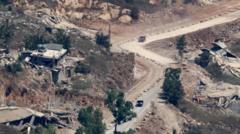
Israel Executes Military Operations in Southern Lebanon Region
Israel strikes southern Lebanon have resumed just one day after both nations agreed to a preliminary ceasefire framework, according to reports from Lebanese state media outlets. The military action has resulted in at least one confirmed fatality, raising fresh concerns about the stability of the newly negotiated accord between the neighboring countries.
Details of the Recent Military Action
The strikes targeting southern Lebanon occurred during a critical moment of diplomatic negotiations, undermining initial hopes for a cessation of hostilities. Lebanese authorities have documented casualties from the aerial bombardment, with state-controlled media sources confirming multiple impact sites across the region. The timing of these operations has intensified scrutiny regarding the viability and enforcement mechanisms of the newly signed agreement.
Hezbollah's Strong Condemnation of the Framework Deal
The Lebanese militant organization Hezbollah has issued a forceful statement condemning the ceasefire arrangement, characterizing it as inadequate and insufficient for protecting Lebanese civilians. Hezbollah's leadership expressed skepticism about Israel's commitment to the terms outlined in the bilateral agreement, citing the recent military strikes as evidence of bad faith. The organization's rejection of the deal complicates peace efforts and raises questions about whether all parties will respect the framework's provisions.
The Negotiated Ceasefire Framework Explained
The agreement signed between Lebanon and Israel represents months of diplomatic engagement and international mediation efforts. The framework was designed to establish a temporary halt to cross-border hostilities and create conditions for longer-term peace negotiations. However, the resumption of military strikes has immediately cast doubt on the framework's effectiveness and the willingness of all parties to honor their commitments. International observers have expressed concern that the agreement may be too fragile to withstand the underlying tensions in the region.
Regional Implications and International Response
The escalating situation has drawn attention from regional powers and international actors invested in Middle Eastern stability. The contradiction between signing a ceasefire agreement and conducting military operations suggests deeper complications in the Israeli-Lebanese dispute that cannot be resolved through brief diplomatic arrangements alone. Neighboring countries and international organizations are monitoring developments closely, recognizing that any further deterioration could have broader implications for regional security.
Challenges to Peace Implementation
Several fundamental obstacles complicate the implementation of the newly negotiated agreement. Trust between the parties remains minimal, with each side maintaining significant military capabilities and strategic objectives. The presence of Hezbollah as a non-state actor complicates traditional state-to-state negotiations, as the organization's leadership maintains considerable influence over events in southern Lebanon. These structural challenges suggest that achieving sustainable peace will require more comprehensive and carefully monitored agreements than currently in place.


