
Massive Wildfires Force 250,000 People to Evacuate France and Spain
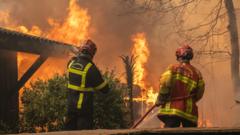
Unprecedented Evacuation as Wildfires Ravage France and Spain
More than 250,000 residents have been forced to abandon their homes as catastrophic wildfires continue to devastate communities across France and Spain, marking one of the largest evacuation efforts in recent European history. The simultaneous emergency affecting both nations has prompted urgent warnings from government officials as emergency services struggle to contain the rapidly spreading blazes that threaten populated areas and critical infrastructure.
The scale of the wildfire emergency underscores the unprecedented challenges facing both nations as climate-related fire seasons intensify across southern Europe. Authorities have mobilized extensive resources to manage the crisis, yet the situation remains dire as multiple fronts continue to advance toward populated regions.
Spanish Government Issues Stark Warnings
Spain's Prime Minister has cautioned the public to prepare for what officials describe as "complex hours" lying immediately ahead. The statement reflects the gravity of the situation, as firefighting teams work around the clock attempting to contain flames that continue to expand across the country's affected regions. The PM's warning signals expectations that conditions may deteriorate before stabilizing.
Spanish authorities have coordinated evacuation procedures across multiple provinces, prioritizing the movement of vulnerable populations including elderly residents and families with young children. Emergency services have established temporary shelter centers and distribution points for displaced persons, though the sheer volume of evacuees has strained existing resources.
France Confronts Uncontrolled Blazes Near Bordeaux
French officials have acknowledged that wildfires consuming regions near Bordeaux remain substantially beyond their control. Authorities stated they are "far from bringing blazes under control," indicating that current firefighting efforts have not yet achieved the level of containment necessary to prevent further spread. This candid assessment reflects the challenges posed by exceptionally unfavorable weather conditions and the fires' rapid progression.
The Bordeaux region, home to renowned vineyards and significant residential populations, faces particular concern as flames approach areas previously thought to be at lower risk. Firefighting teams from across France have been redeployed to combat the growing threat, yet the sheer intensity and breadth of the fire fronts continues to overwhelm suppression capabilities.
Emergency Response and Resource Mobilization
Both France and Spain have mobilized extensive emergency resources in response to the crisis. Firefighting aircraft have conducted continuous aerial bombardment of affected areas, while ground teams establish defensive perimeters around populated centers. International assistance requests have been submitted to neighboring European nations as domestic resources approach capacity limits.
Emergency coordination centers in both countries operate continuously, managing real-time communication with evacuating residents while directing firefighting personnel to areas of greatest need. Hospitals and medical facilities in unaffected regions have received alerts to prepare for potential influx of wildfire-related injuries and respiratory complications.
Climate and Environmental Factors
Weather conditions have significantly exacerbated the wildfire emergency across both nations. Elevated temperatures, sustained drought conditions, and low humidity levels have created ideal circumstances for rapid fire propagation. Meteorological forecasts indicate that unfavorable conditions are expected to persist throughout the critical period ahead, potentially extending the duration and intensity of firefighting operations.
The combination of environmental factors has created what fire management experts describe as "explosive" conditions, where flames can advance across significant distances within minimal timeframes. This reality has forced authorities to expand evacuation zones proactively, removing residents from areas that may not yet be directly threatened but face significant danger should winds shift or fire behavior change unexpectedly.
Support for Displaced Residents
Both governments have committed to providing comprehensive support for the massive displaced population. Temporary housing arrangements, financial assistance programs, and counseling services have been activated to help residents cope with losses and displacement. Emergency declarations have been issued that allow rapid allocation of additional funding and resources to affected communities.
The evacuation of 250,000 people represents a logistical challenge of enormous proportions, requiring coordination among multiple agencies and jurisdictions. Transportation networks have been modified to accommodate the movement of residents away from danger zones, with authorities implementing temporary road restrictions and establishing evacuation corridors.
Ongoing Crisis Management
Officials in both nations stress that the situation remains fluid and unpredictable. Continued monitoring and rapid response adjustments remain essential as conditions evolve. The coming hours and days will determine whether emergency response efforts can achieve meaningful containment, allowing evacuation orders to be lifted and communities to begin recovery processes.


