
Miracles in Crisis: Families Search for Loved Ones After Venezuela Earthquakes
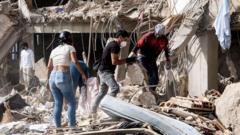
Desperate Search Continues After Venezuela's Devastating Seismic Events
In the wake of catastrophic seismic activity that struck Venezuela, families remain locked in an agonizing wait outside collapsed structures, desperately seeking any sign of their trapped loved ones. The Venezuela earthquakes have left communities grappling with unprecedented challenges as rescue teams work against time to locate survivors buried beneath massive piles of rubble and structural debris.
The emotional toll on families cannot be overstated. Relatives camp outside affected buildings, calling out names and listening for any response that might indicate their loved ones survived the initial impact. These heartbreaking scenes underscore the human cost of the natural disaster, transforming ordinary neighborhoods into temporary zones of crisis where hope battles desperation with each passing hour.
The Impossible Task of Debris Removal
One of the most significant obstacles in the rescue operation following the Venezuela earthquakes involves the sheer volume and weight of construction materials covering potential survivors. Heavy debris blocks access to underlying structures, creating an almost insurmountable challenge for rescue workers who lack adequate heavy machinery in affected regions.
Manual extraction efforts prove exhausting and painfully slow. Teams work continuously, moving concrete slabs and twisted metal with limited equipment, knowing that every minute increases the danger for both survivors and rescuers. The infrastructure damage extends beyond collapsed buildings, affecting roads and access routes that would normally facilitate emergency response operations.
Community Resilience and Faith in Rescue Efforts
Despite overwhelming adversity, community members demonstrate remarkable solidarity. Neighbors organize makeshift support networks, providing food and water to families maintaining vigils. This grassroots mobilization reflects the Venezuelan spirit of mutual aid during times of crisis.
Religious faith and spiritual beliefs provide comfort to many families awaiting news of their relatives. Prayer vigils occur regularly at disaster sites, with community members drawing strength from shared belief that miracles can occur even in the darkest circumstances. This sentiment, captured in statements from survivors and families—"every person saved is a miracle"—resonates throughout affected regions.
International Response to Venezuela Earthquakes Crisis
The Venezuelan government has appealed for international assistance to address the unprecedented scale of destruction. Regional neighbors and international humanitarian organizations are mobilizing resources to support rescue and recovery operations. Medical teams establish triage areas near collapsed structures, preparing to treat survivors as they are extracted from the debris.
However, logistical challenges complicate international aid delivery. Limited airport capacity, damaged transportation infrastructure, and unclear damage assessments in remote areas hamper coordinated response efforts. Organizations specializing in earthquake disaster response work to establish communication channels and coordinate with local authorities.
Psychological Impact on Survivors and Families
The Venezuela earthquakes trauma extends beyond physical injuries. Mental health professionals warn of long-term psychological consequences for those who lost loved ones, survived with injuries, or witnessed devastating destruction. Families face uncertain futures as they navigate loss, displacement, and the financial burden of rebuilding.
Children exposed to the earthquake's violence require special psychological support. Educational institutions damaged in the Venezuela earthquakes struggle to resume operations, further disrupting normalcy for young survivors who desperately need stability and routine.
Rebuilding Infrastructure and Looking Forward
Structural engineers conduct urgent assessments of remaining buildings to determine safety for continued habitation. The Venezuela earthquakes exposed vulnerabilities in construction standards and building codes, prompting discussions about improved seismic resilience in future development projects.
Long-term recovery will require sustained commitment from government agencies, private sector involvement, and continued international cooperation. Reconstruction timelines remain uncertain, but communities begin the difficult process of planning recovery while still searching for missing persons beneath the rubble.
As rescue operations continue following the Venezuela earthquakes, the stories of survival and loss continue to emerge, reminding the world of nature's devastating power and humanity's remarkable capacity for resilience.


