MPs Warn Against Forcing Assisted Dying Bill Through Parliament
MPs Sound Alarm Over Assisted Dying Bill Bypass
Cross-party members of Parliament have raised serious concerns about an assisted dying bill potentially being forced through without adequate scrutiny. The cautionary stance comes as lawmakers who have taken opposing positions on the contentious measure unite in their warning that circumventing established parliamentary procedures could set a dangerous precedent.
The debate surrounding the assisted dying bill has intensified significantly, with prominent voices now advocating for a more measured approach. Rather than risk the integrity of the legislative process, these MPs contend that proper parliamentary mechanisms must be preserved to ensure thorough examination of such a significant public policy matter.
Labour MPs Issue Joint Warning
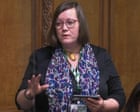
Two influential Labour Party members have spearheaded efforts to alert their parliamentary colleagues about the potential dangers of expedited passage. Gareth Snell, who publicly supported the assisted dying bill during voting, joined forces with Meg Hillier, who opposed it, to pen a cautionary correspondence to fellow MPs. Their joint intervention demonstrates that concerns about process and procedure transcend individual policy positions.
The letter emphasizes that despite their disagreement on the bill's merits, both MPs recognize the paramount importance of allowing the legislative process to function as intended. This collaborative approach highlights a fundamental commitment to parliamentary tradition and constitutional governance that supersedes partisan considerations.
Understanding the Parliamentary Concerns
The controversy centers on the potential use of an obscure parliamentary procedure that could circumvent standard scrutiny mechanisms. When the House of Lords continues to block or delay legislation, there exist technical parliamentary routes that allow the Commons to override such resistance. However, MPs warn that invoking such procedures on the assisted dying bill would constitute an "extraordinary risk" to democratic processes.
The House of Lords plays a critical constitutional role in reviewing legislation, particularly on matters of profound moral and societal consequence. Supporters of thorough scrutiny argue that the Upper Chamber must be afforded adequate opportunity to fulfill this essential duty. Rushing through such significant legislation without proper deliberation in both chambers could undermine public confidence in the legislative system.
The Significance of the Upcoming Vote
Friday's scheduled vote represents a pivotal moment for the assisted dying bill's trajectory through Parliament. The decision made by Commons members will likely determine whether the legislation proceeds with full parliamentary scrutiny or faces potential obstacles requiring controversial procedural interventions. This crucial juncture has prompted renewed appeals from concerned MPs across ideological lines.
The timing of these warnings suggests that advocates for proper procedure recognize the critical nature of the impending decision. By articulating their concerns in advance, Snell and Hillier hope to influence the Commons' approach during what has been characterized as crucial hours before the vote takes place.
Cross-Party Unity on Process
What distinguishes this moment is the rare occurrence of MPs who hold opposing views on the assisted dying bill's substance finding common ground on procedural matters. This convergence underscores that questions about how Parliament conducts its business matter as much as what policies it pursues. Both supporters and opponents of the assisted dying bill recognize that maintaining institutional integrity serves everyone's long-term interests.
The appeal reflects a broader concern about setting precedents through parliamentary procedure. Future governments or majorities could exploit the same mechanisms on other contentious issues if they become normalized during the current debate. This consideration motivates MPs across the political spectrum to urge caution and adherence to established protocols.
Public Issue Demands Careful Deliberation
The assisted dying bill addresses one of society's most profound ethical and moral questions. Issues of end-of-life autonomy, medical ethics, and personal autonomy demand extensive public debate and rigorous parliamentary examination. Advocates for proper scrutiny contend that curtailing this process would be inappropriate for legislation of such magnitude.
The Lords' role becomes particularly important when Parliament tackles controversial subjects that touch fundamental values and beliefs. These chambers exist to provide different perspectives and thorough review, ensuring that complex policy decisions receive adequate consideration from multiple angles before becoming law.
MPs urging restraint have framed their position not as opposition to any particular outcome, but rather as commitment to democratic governance and constitutional propriety. Their message resonates with broader concerns about maintaining parliamentary standards and ensuring that future legislatures can trust the institutions and procedures they inherit. The coming vote will reveal whether this cautionary wisdom influences the Commons' ultimate course of action.