
Netanyahu Rejects Trump's 15-Point Gaza Plan in Political Dispute
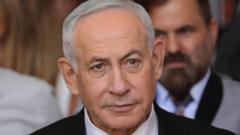
Netanyahu Rejects Trump's Comprehensive Gaza Plan
Israeli Prime Minister Benjamin Netanyahu has rejected Trump's 15-point Gaza plan, marking a significant moment in ongoing diplomatic efforts. However, observers note that Netanyahu rejects Trump Gaza plan statements may represent tactical positioning rather than a definitive conclusion to negotiations. The Israeli leader's response has generated considerable discussion about the future direction of peace talks and regional stability.
The proposal, presented by the Trump administration as a comprehensive framework for resolving the Gaza conflict, includes multiple provisions addressing security, reconstruction, and political governance. Despite the apparent finality of Netanyahu's position, diplomatic sources suggest this rejection should not be interpreted as the ultimate outcome of negotiations.
Trump Administration's Strategic Response to the Rejection
Rather than viewing Netanyahu's dismissal as a setback, the Trump administration appears to maintain confidence in the broader diplomatic process. Officials within the administration have indicated they view the Israeli prime minister's public rejection primarily as election-related rhetoric rather than an insurmountable obstacle to future discussions.
This measured response reflects a pragmatic approach to Middle Eastern diplomacy, recognizing that public statements often serve multiple political purposes beyond their literal meaning. The administration's willingness to look beyond the immediate rejection suggests confidence in eventual negotiations or alternative pathways forward.
Context of Israeli General Elections
Netanyahu's stance must be understood within the context of approaching Israeli general elections. Political leaders frequently adopt firm public positions during election campaigns to appeal to their electoral base and demonstrate strength in negotiations. The timing of this rejection aligns with broader electoral considerations that shape political discourse in Israel.
Analysts suggest that the Israeli prime minister's rejection may be influenced by domestic political pressures and the need to project confidence to voters. This electoral context provides essential background for interpreting statements from Israeli leadership and understanding their actual commitment to various proposals.
Diplomatic Implications and Future Negotiations
The rejection of Trump's 15-point plan raises important questions about the feasibility of comprehensive peace agreements in the current political environment. Multiple stakeholders with competing interests complicate efforts to achieve consensus on Gaza's future governance and security arrangements.
Regional observers note that diplomatic breakthroughs often require multiple rounds of discussion, revision, and compromise. Initial rejections frequently precede more constructive engagement as parties refine their positions and seek common ground. The current impasse may represent an early stage in extended negotiations rather than a permanent breakdown.
International Community's Perspective
The international community continues monitoring developments closely, recognizing that stability in Gaza affects broader Middle Eastern security and humanitarian concerns. Various nations and international organizations have expressed interest in supporting viable peace solutions that address the region's complex challenges.
Stakeholders understand that any lasting agreement requires acceptance from Israeli leadership, Palestinian representatives, and regional partners. The rejection of individual proposals does not necessarily preclude eventual agreement on modified frameworks or alternative approaches to resolving long-standing disputes.
Campaign Rhetoric versus Diplomatic Reality
The Trump administration's assessment that Netanyahu's rejection reflects campaign considerations highlights important distinctions between public political positioning and genuine negotiating positions. Leaders frequently maintain flexibility regarding proposals while making firm public statements for domestic consumption.
Understanding this dynamic proves crucial for evaluating the actual prospects for peace negotiations. Netanyahu rejects Trump Gaza plan statements serve multiple audiences including Israeli voters, coalition partners, and international observers, each with different expectations and priorities.
Looking Forward: Possible Scenarios
Several potential scenarios could emerge from the current diplomatic situation. Revisions to the original proposal, introduction of modified frameworks, or continued negotiations among international mediators remain possible paths forward. The apparent resilience of diplomatic efforts despite public rejections suggests commitment to finding sustainable solutions.
Observers anticipate that coming weeks and months will reveal whether this rejection represents tactical positioning or fundamental disagreement. The Trump administration's confidence and continued engagement suggest optimism about eventual progress, even if the current 15-point plan requires substantial modification or replacement.


