
Netflix's Wonka Series Sparks Controversy Over AI-Generated Gene Wilder Voice
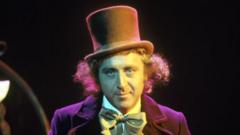
Netflix's Wonka Series Sparks Controversy Over AI-Generated Gene Wilder Voice
The highly anticipated Netflix series featuring the beloved character Willy Wonka has become the center of significant debate following revelations about an AI-generated Gene Wilder voice used throughout the production. The late actor, who passed away in 2016, appears in the Netflix Wonka show through this innovative yet controversial technological approach, which was conducted with the full consent and approval of his estate.
Understanding the Technology Behind the Voice Recreation
The creation of an AI-generated Gene Wilder voice represents a significant technological achievement in the entertainment industry. Advanced artificial intelligence systems were employed to analyze and reconstruct the distinctive vocal characteristics that made Gene Wilder's performances so iconic throughout his legendary career. This technology utilizes deep learning algorithms to capture the unique tonal qualities, speech patterns, and emotional inflections that defined his performances in classic films like "Willy Wonka & the Chocolate Factory."
The AI-generated Gene Wilder voice technology was developed by specialists in voice synthesis and machine learning, working closely with the estate to ensure accuracy and authenticity. The process involved analyzing thousands of hours of archival recordings, interviews, and film footage to create a digital vocal model capable of delivering new dialogue with remarkable precision.
The Estate's Involvement and Approval
A critical aspect of this production decision involves the explicit consent of Gene Wilder's estate. Rather than proceeding without authorization, Netflix and the production team obtained comprehensive approval before implementing the AI-generated Gene Wilder voice throughout the series. The estate's decision to participate in this project reflects evolving perspectives within Hollywood regarding how deceased performers' legacies are honored and monetized.
This collaboration demonstrates that the creators prioritized respect for the actor's memory and family wishes. The estate's involvement ensures that any profits or benefits derived from the use of this synthetic voice are managed according to the family's preferences and the actor's original contractual arrangements.
Public Reaction and Industry Backlash
Despite the estate's approval, Netflix's implementation of the AI-generated Gene Wilder voice has generated considerable controversy among audiences and critics. Many viewers and entertainment professionals have expressed concerns about the implications of using artificial voice synthesis for deceased performers. Critics argue that this approach raises fundamental questions about authenticity, artistic integrity, and the proper treatment of legacy actors.
The backlash reflects broader societal concerns about artificial intelligence's expanding role in creative industries. Some argue that using an AI-generated Gene Wilder voice, even with estate consent, sets a problematic precedent for the entertainment business. Others worry about the potential for future projects to pursue similar techniques without proper authorization or ethical considerations.
Implications for the Future of Entertainment
The controversy surrounding the AI-generated Gene Wilder voice in Netflix's Wonka series represents a pivotal moment in discussions about technology's role in entertainment. This situation highlights the gap between what technology enables and what society considers ethically appropriate. As artificial intelligence continues advancing, questions about resurrecting deceased performers' voices will become increasingly relevant.
The entertainment industry now faces important decisions regarding regulations and standards for implementing such technology. Should studios develop formal guidelines for AI voice recreation? What protections should exist for performers' legacies? These questions have become urgent as the technical capability to create convincing synthetic voices becomes more accessible and affordable.
Gene Wilder's Legacy in Modern Context
Gene Wilder's iconic portrayal of Willy Wonka established a gold standard in whimsical, theatrical performance that has influenced countless entertainers. His distinctive voice, comedic timing, and expressive delivery became inseparable from the character itself. The decision to recreate this voice through AI technology demonstrates how beloved performances continue to hold cultural significance decades after their creation.
The use of an AI-generated Gene Wilder voice in new productions also reflects how entertainment companies navigate the challenge of maintaining beloved characters while acknowledging performers who have passed away. This approach differs from traditional recasting, which involves hiring new actors to interpret established roles.
Conclusion
Netflix's choice to feature an AI-generated Gene Wilder voice in its Wonka series, despite having legitimate estate approval, has ignited meaningful conversations about technology, creativity, and legacy in modern entertainment. While the technical achievement is undeniable, the ethical and cultural implications remain contentious. As audiences continue grappling with these questions, the entertainment industry must carefully consider how it balances technological innovation with respect for departed performers and audience expectations regarding authenticity and artistic integrity.


