
Oil Prices Decline as Strait of Hormuz Reopening Talks Progress
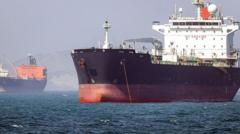
Oil Prices Fall on Strait of Hormuz Reopening Prospects
Global energy markets experienced a significant downturn as oil prices fall amid optimistic developments regarding the potential reopening of the Strait of Hormuz. The strategic waterway, which serves as one of the world's most critical maritime passages for petroleum transportation, has become the focal point of international diplomatic discussions aimed at stabilizing commodity markets and ensuring continued energy supply chains.
Key figures in the United States government have publicly confirmed that negotiations surrounding the reopening of this essential corridor have reached an advanced stage. Officials from the State Department and Treasury have emphasized the substantial progress made in recent discussions, indicating that pathways for resuming commercial shipments through the strait are becoming increasingly viable in the near term.
Government Officials Confirm Negotiation Breakthroughs
US Secretary of State Marco Rubio and Treasury Secretary Scott Bessent have both made significant announcements detailing the trajectory of ongoing talks. Their statements underscore the commitment of American diplomatic and economic leadership to facilitate the restoration of normal operations through this vital international shipping route. The involvement of Treasury Secretary Bessent demonstrates the economic importance attributed to resolving this matter, as supply disruptions directly impact global financial markets and commodity pricing structures.
The public confirmation of negotiation progress represents a turning point in international efforts to stabilize energy prices. These diplomatic breakthroughs signal to market participants that potential supply constraints may be alleviated, prompting traders to adjust their positions and reassess risk premiums embedded in current crude valuations.
Impact on Global Energy Markets
The market response to these diplomatic developments reflects broader concerns about energy security and supply reliability. As oil prices fall in response to reopening prospects, stakeholders across multiple sectors—including manufacturing, transportation, and aviation—stand to benefit from potential cost reductions in fuel expenditures. This ripple effect throughout the global economy underscores the significance of the Strait of Hormuz to worldwide economic stability.
Energy analysts attribute the price decline to shifting market sentiment regarding supply availability. The anticipation of resumed shipments through the strait has reduced perceived scarcity premiums that typically characterize periods of supply uncertainty. Investors and traders have responded by liquidating positions that were previously established as hedges against potential supply disruptions.
Strategic Importance of the Strait of Hormuz
The Strait of Hormuz represents approximately 20 to 30 percent of global maritime petroleum trade, making it indispensable for international energy security. Any disruption to shipping through this passage historically triggers immediate market reactions, as concerns about supply constraints become amplified across global commodity exchanges. The potential restoration of normal operations through this corridor addresses longstanding vulnerabilities in worldwide energy distribution networks.
The geopolitical dimensions of these negotiations extend beyond simple commercial considerations. Control and access to the strait have historically served as leverage points in regional power dynamics, making the resumption of normal shipping operations a matter of significant international consequence. Successful completion of current negotiations would represent progress toward regional stability and predictable energy markets.
Market Expectations and Future Outlook
As oil prices fall and negotiations progress toward concrete agreements, market participants are adjusting their forecasts regarding future commodity valuations. The potential for increased supply through resumed shipments has introduced a more constructive outlook for energy affordability across multiple consumer and industrial segments. However, analysts caution that final implementation of any agreements requires sustained diplomatic commitment and adherence to established frameworks.
The confirmation of negotiation progress by senior government officials provides concrete evidence that discussions are moving beyond preliminary stages toward actionable outcomes. This advancement suggests that commercial vessels may resume transit through the strait within a defined timeframe, contingent upon finalization of remaining technical and diplomatic details.
Energy markets continue to process implications of these developments, with traders monitoring additional statements from government officials and watching for concrete indicators of implementation. The successful reopening of shipping lanes through the Strait of Hormuz would represent a substantial achievement for international cooperation and would contribute meaningfully to global economic stability through more predictable and abundant energy supplies.


