
Portable Air Coolers: Debunking Viral Claims About Rapid Cooling Devices
The Rise of Misleading Portable Cooling Device Advertisements
The widespread promotion of portable air conditioners that promise rapid cooling solutions has become a significant concern for consumer protection agencies worldwide. These portable air conditioners false claims continue to flood social media platforms and online retailers, attracting millions of consumers seeking affordable temperature relief. The Advertising Standards Authority (ASA) has recently intensified its scrutiny of these deceptive marketing practices, issuing formal warnings about products claiming to cool entire rooms in just 90 seconds.
Understanding the ASA Investigation
The Advertising Standards Authority launched a comprehensive investigation into manufacturers and sellers promoting portable air conditioners with exaggerated specifications. According to the ASA's findings, advertisers were making claims that consumers found too good to be true upon closer examination. These small devices were being marketed with capabilities that contradicted basic principles of thermodynamics and air conditioning technology.
The ASA determined that promotional content featuring rapid cooling claims violated advertising standards by misleading vulnerable consumers. Many of these advertisements appeared across digital platforms including social media, e-commerce websites, and online marketplaces, reaching millions of potential buyers worldwide.
How the Deception Works
Manufacturers of these portable air coolers employ several tactics to make their products appear more effective than they actually are. Common misleading claims include:
Small devices claiming to cool entire rooms rapidly use evaporative cooling technology at best, which only works effectively in low-humidity environments. Marketing materials fail to mention this critical limitation, instead showcasing before-and-after scenarios that appear professionally staged. Product descriptions omit technical specifications such as BTU ratings and cooling capacity, essential information for consumers making informed decisions.
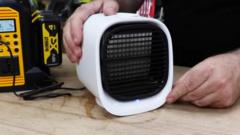
The fake cooling devices being promoted online typically function as personal air coolers rather than room conditioning units. These devices may provide localized cooling near the user but lack the capability to maintain temperature control across larger spaces.
Consumer Impact and Safety Concerns
Thousands of consumers have reported purchasing these portable air conditioners only to discover they provide minimal cooling relief. Many customers complained about receiving products with misleading performance claims, leading to frustration and financial loss. The ASA warnings emerged directly from consumer complaints and regulatory investigations into these deceptive practices.
Beyond wasted money, some consumers faced additional risks. Certain portable AC alternatives use water-based cooling systems that may increase indoor humidity rather than improve comfort. Others consume excessive electricity while providing negligible temperature reduction, resulting in higher utility bills without meaningful benefits.
Legitimate Alternatives to Portable Air Conditioning
Consumers seeking genuine cooling solutions have several reliable options. Traditional portable air conditioning units with proper cooling capacities, though more expensive than viral alternatives, provide actual temperature control. Window-mounted air conditioners offer another effective solution for cooling specific rooms. Ceiling fans, when used correctly with air conditioning, can improve circulation and reduce overall cooling costs.
Professional HVAC specialists recommend consulting with trained technicians before purchasing cooling equipment. These experts can assess room size, insulation quality, and climate factors to recommend appropriately sized systems.
Regulatory Response and Consumer Protection
The ASA has taken decisive action against companies promoting misleading portable air coolers. Regulatory bodies across multiple countries have issued similar warnings, emphasizing that consumers should verify claims about rapid room cooling devices before making purchases. The focus remains on protecting vulnerable populations, including elderly individuals and those with mobility limitations who might be particularly susceptible to deceptive marketing.
Companies continue developing genuinely innovative cooling solutions, but rapid technological advances must be distinguished from marketing exaggeration. The ASA encourages consumers to review independent product tests and technical specifications rather than relying solely on advertisement claims about portable air conditioners.
What Consumers Should Know
When evaluating any portable cooling device, consumers should examine actual BTU ratings, which indicate genuine cooling capacity. Claims about cooling entire rooms in minutes should raise immediate skepticism. Reading verified customer reviews from independent sources provides valuable insight into realistic product performance.
The ongoing issue with fake cooling devices demonstrates why regulatory oversight matters in consumer protection. As digital marketplaces continue expanding, maintaining standards against misleading advertisements becomes increasingly important for maintaining consumer trust and protecting purchasing decisions.


