
Rescue Teams Comb Wreckage After Venezuela Quakes Kill 188
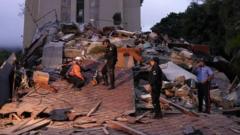
Devastating Earthquakes Strike Venezuela
Venezuela earthquakes have claimed the lives of at least 188 people, with rescue teams working around the clock to search through collapsed structures and debris fields across affected regions. The twin seismic events, both registering above magnitude 7.0, struck within seconds of each other, creating a catastrophic situation for emergency responders and residents throughout the affected areas.
The powerful tremors caused widespread destruction across multiple cities and towns, leaving thousands of families displaced and countless buildings reduced to rubble. Early assessments indicate that the damage extends across several provinces, with structural failures reported in both residential and commercial districts. The rapid succession of the two major quakes prevented residents from evacuating safely after the first shock, resulting in heightened casualties and greater overall destruction.
Rescue and Recovery Efforts Underway
Search and rescue teams have mobilized from across the nation and international assistance has begun arriving to support recovery operations. Specialized rescue units with trained dogs and heavy equipment are systematically working through collapsed buildings in search of survivors trapped beneath the wreckage. The challenging terrain and extensive damage have complicated rescue efforts, with teams prioritizing areas where survivors are most likely to be found.
Medical facilities in affected regions are overwhelmed with casualties, and nearly 1,500 people have sustained injuries ranging from minor wounds to life-threatening trauma. Hospitals have activated emergency protocols and established triage centers to manage the surge of injured patients. Healthcare workers are providing emergency medical care, surgeries, and stabilization treatments around the clock.
Impact on Communities and Infrastructure
The Venezuela earthquakes have caused severe damage to critical infrastructure, including water systems, electrical grids, and communication networks. Many communities have lost access to clean drinking water and reliable electricity, complicating rescue efforts and recovery operations. Schools, government buildings, and residential complexes have sustained significant structural damage, requiring extensive reconstruction efforts.
Transportation networks have also been affected, with roads damaged and some routes rendered impassable due to collapsed overpasses and debris accumulation. This has hindered the movement of rescue equipment and supplies to the most severely impacted areas. Authorities have established emergency corridors to prioritize movement of rescue vehicles and humanitarian assistance.
International Response and Support
The international community has mobilized quickly to provide humanitarian aid to Venezuela earthquakes affected areas. Neighboring countries have dispatched rescue teams, medical personnel, and emergency supplies to support local efforts. The United Nations and various international organizations have coordinated relief efforts and assessed funding needs for reconstruction.
Regional governments have committed resources to support Venezuela's recovery process, recognizing the magnitude of the disaster and its widespread impact on the affected population. International search and rescue teams with specialized equipment and expertise have arrived to supplement local capacities and improve the chances of locating additional survivors.
Ongoing Challenges and Next Steps
As rescue operations continue, authorities face significant challenges including unpredictable aftershock activity, weather conditions affecting search areas, and the sheer scale of the disaster. Seismic monitoring agencies remain vigilant for potential additional tremors that could further compromise structural integrity of already damaged buildings and complicate rescue work.
Officials have established emergency coordination centers to manage response efforts, distribute resources effectively, and ensure that rescue teams receive updated information about priority search areas. Long-term recovery planning has begun, with preliminary assessments of reconstruction costs and timelines already underway.
The Venezuela earthquakes represent one of the nation's most significant natural disasters in recent history, testing emergency response systems and community resilience. As rescue operations continue and the full extent of the tragedy becomes clearer, international support and coordinated response efforts remain critical to saving lives and supporting affected communities through the recovery process.


