
Romania Closes Nuclear Reactor Amid Danube Water Crisis
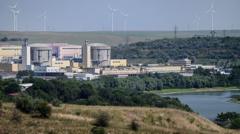
Romania's Nuclear Facility Faces Extended Closure
Romania has initiated an unprecedented shutdown of its critical nuclear power facility as unprecedented heat waves trigger a severe crisis affecting the Danube River. The Cernavodă nuclear plant, responsible for supplying approximately 20% of Romania's electricity, has been forced offline due to environmental and operational constraints. This shutdown marks a significant challenge for the nation's energy stability during a period of increased demand.
The Cernavodă Plant and Its National Importance
The Cernavodă installation represents one of Eastern Europe's most substantial energy assets. This nuclear complex has been instrumental in powering Romanian households and industries for decades. With the facility generating one-fifth of the country's total electricity output, its temporary closure creates immediate concerns regarding power availability and energy security across the nation.
Climate Impact on Water Resources
Extreme temperatures sweeping across Europe have produced catastrophic effects on the Danube River's water levels. The river, which serves multiple critical functions including cooling systems for thermal and nuclear power plants, has experienced unprecedented decline. These climatic conditions have created a cascade of operational challenges that extend beyond energy production, affecting transportation, irrigation systems, and regional ecosystems along this vital waterway.
Operational Constraints and Technical Requirements
Nuclear power plants require substantial quantities of water for cooling operations. The Cernavodă nuclear plant depends on the Danube River's water supply to maintain safe operational parameters. As water levels dropped dramatically due to sustained heat conditions, operators determined that continuing operations would pose unacceptable risks to both the facility and the surrounding environment. This decision reflects strict adherence to safety protocols that govern nuclear power generation worldwide.
Timeline for Restart Operations
Officials have indicated that the Cernavodă nuclear plant is not anticipated to resume operations within the next 10 days. This extended timeline reflects the persistence of heat-related conditions and the gradual nature of water level recovery in major river systems. Energy authorities are monitoring environmental conditions closely to determine when circumstances will permit safe restart procedures.
Energy Supply Implications for Romania
With the nuclear facility offline, Romania faces substantial pressure on its electricity generation capacity. Alternative energy sources, including coal-fired plants, hydroelectric facilities, and renewable installations, must compensate for the 20% reduction in nuclear output. This situation tests the nation's energy infrastructure resilience and may necessitate increased reliance on power imports or temporary demand reduction measures.
Regional Climate Challenges
The heat waves affecting the Danube basin represent broader climatic trends impacting Central and Eastern Europe. These conditions have similarly affected other nations dependent on the river for power generation, water supply, and transportation. The crisis underscores the vulnerability of regional infrastructure to climate volatility and the interconnected nature of environmental challenges across national boundaries.
Future Considerations and Adaptation Strategies
This incident highlights the necessity for long-term planning regarding climate resilience in energy infrastructure. European nations are increasingly recognizing that extreme weather events require updated operational protocols and potential infrastructure modifications. The Cernavodă situation may catalyze discussions regarding enhanced cooling systems, water management strategies, and diversified energy portfolios across the region.


