
Second Typhoon Hits Eastern China Within Seven Days
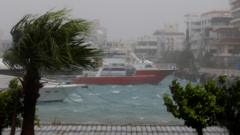
Second Typhoon Strikes Eastern China in Rapid Succession
Eastern China faces renewed meteorological challenges as a second typhoon in a week makes landfall, bringing devastating weather patterns to the region. This consecutive storm event has triggered unprecedented emergency response measures, with authorities implementing large-scale evacuation procedures across multiple provinces. The second typhoon impacts vulnerable coastal areas that are still recovering from the previous weather system that struck just days earlier, compounding the challenges faced by residents and emergency management teams.
Mass Evacuation Underway Across Zhejiang Province
Approximately two million residents have been ordered to evacuate from eastern Zhejiang province ahead of the advancing storm system. This massive displacement represents one of the largest evacuation efforts in recent years, reflecting the severity and unpredictability of the approaching typhoon. Evacuation centers have been established in safer locations inland, with provisions for shelter, medical assistance, and emergency supplies being mobilized to accommodate displaced families.
The evacuation process involves coordinated efforts between provincial authorities, municipal governments, and local community leaders who work to ensure safe transit for vulnerable populations including elderly residents, children, and individuals with health complications. Transportation logistics have been carefully planned to manage the movement of such a large number of people efficiently and securely.
Wenzhou's Precarious Position
The coastal city of Wenzhou stands in close proximity to the projected typhoon path, making it particularly vulnerable to severe weather conditions. Located in the eastern section of Zhejiang province, Wenzhou serves as a major commercial and industrial hub, with significant economic importance to the broader region. The city's position near the storm's trajectory has prompted heightened alert statuses and reinforced protective measures including the reinforcement of infrastructure and the pre-positioning of emergency response teams.
Residents of Wenzhou have been advised to secure their homes, stock emergency supplies, and prepare for potential utility disruptions. Schools and non-essential businesses have been ordered to close ahead of the typhoon's arrival, allowing citizens to focus on preparation and safety measures.
Regional Impact and Infrastructure Concerns
The frequency of typhoons hitting the region in such rapid succession raises concerns about infrastructure resilience and disaster management capacity. Previous flooding and storm damage from the first typhoon have left roads, bridges, and utilities in a compromised state, increasing vulnerability to additional severe weather impacts. Agricultural areas face threats to crops, livestock, and farming infrastructure that are essential to the region's food security and economic stability.
Power grids and water supply systems represent critical vulnerabilities during typhoon events, with utility companies implementing preventive maintenance and emergency protocols to minimize disruption. The second typhoon within days significantly strains recovery resources and extends the timeline for restoration efforts.
Emergency Preparedness and Response Coordination
Chinese meteorological agencies have issued comprehensive warnings and detailed forecasts to guide emergency response planning. Real-time monitoring systems track the typhoon's movement, intensity, and projected impact zones, allowing authorities to adjust evacuation zones and resource allocation accordingly. Military units and paramilitary organizations stand ready to assist with rescue operations, distribution of supplies, and reconstruction efforts.
The second typhoon event has prompted government officials to review emergency response protocols and assess whether current disaster management frameworks adequately address the challenges posed by multiple successive weather events. Enhanced communication systems ensure that critical information reaches affected populations quickly and reliably.
Climate Patterns and Future Implications
Meteorological experts note that the occurrence of two typhoons within a single week reflects broader climate patterns affecting the western Pacific region. These patterns may indicate shifting seasonal weather dynamics that could influence typhoon frequency and intensity throughout the year. Understanding these trends remains crucial for long-term disaster preparedness and climate adaptation strategies.
Communities throughout eastern China continue to strengthen their resilience through improved early warning systems, upgraded shelters, and more effective evacuation procedures. The cumulative experience from successive typhoon events contributes valuable lessons for disaster management professionals working to protect millions of residents in typhoon-prone regions.


