Summer Dress Code: Can Employers Control What You Wear?
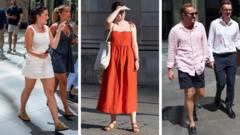
Understanding Workplace Dress Code Authority in Summer
The summer dress code debate continues to challenge both employees and employers across various industries. When temperatures rise, questions emerge about what constitutes appropriate professional attire, particularly regarding items like shorts, strappy tops, and sandals. Your manager's ability to dictate your wardrobe depends on several legal and organizational factors that vary significantly by location and industry sector.
Legal Boundaries of Summer Dress Code Enforcement
Employers do possess the authority to establish and enforce reasonable summer dress code policies within their organizations. However, these regulations must comply with employment laws and anti-discrimination statutes. Most jurisdictions recognize that companies can require professional appearance standards, though definitions of "professional" remain subject to interpretation and debate.
The legality of a summer dress code largely hinges on whether policies apply equally to all employees regardless of gender, race, or protected characteristics. Regulations that disproportionately affect specific groups may face legal challenges. For example, prohibiting certain hairstyles or requiring different dress standards for men and women could expose employers to discrimination claims.
What Employers Can Reasonably Require
Most companies establish summer dress code guidelines that balance professionalism with seasonal comfort considerations. Common acceptable policies include:
Standards by Industry Type
Client-facing roles in banking, law, healthcare, and corporate settings typically maintain stricter summer dress codes than creative or tech industries. Professional standards in these fields often require closed-toe shoes, longer pants or skirts, and fitted clothing that maintains a formal appearance throughout warm months.
Meanwhile, industries such as technology, advertising, and creative sectors frequently embrace more relaxed summer dress code policies. Many tech companies permit casual attire year-round, including shorts and sandals, provided clothing remains clean and appropriate.
Physical Work Environments
Safety considerations often dictate summer dress codes in warehouses, manufacturing facilities, and outdoor work settings. Requirements for steel-toed boots, protective clothing, and specific materials take precedence over style preferences due to legitimate safety hazards.
Employee Rights and Workplace Flexibility
While employers retain authority to establish summer dress code standards, employees possess certain rights regarding reasonable accommodations. Medical conditions, religious beliefs, and cultural practices may necessitate exceptions to standard policies. Employees should communicate with human resources departments about potential conflicts between established dress codes and personal circumstances.
Many progressive organizations now recognize that rigid summer dress codes impact employee satisfaction, retention, and well-being. Companies increasingly adopt flexible policies that permit sandals, knee-length shorts, and breathable fabrics while maintaining professional standards. This approach acknowledges that comfort contributes to productivity and morale during sweltering months.
Practical Tips for Professional Summer Styling
Navigating summer dress code requirements successfully involves understanding your specific workplace expectations while making strategic clothing choices. Several strategies can help you maintain professional appearance while staying cool:
Select lightweight, breathable fabrics such as cotton, linen, and moisture-wicking blends designed for warm weather. These materials prevent excessive perspiration and maintain crisp appearance throughout extended work hours.
Opt for neutral color palettes featuring whites, grays, beiges, and pastels that reflect heat and convey professional credibility. Bold patterns and neon shades, while visually appealing, may conflict with formal workplace environments.
Invest in well-fitting pieces that accommodate layering options. Lightweight cardigans, blazers, and jackets provide flexibility for air-conditioned office spaces while allowing removal in hotter areas. This layering strategy ensures compliance with dress codes regardless of temperature fluctuations throughout your workday.
Communicating with Management About Summer Dress Code Policies
If uncertainty exists regarding what your employer permits during summer months, initiate direct communication with your manager or human resources department. Many workplace conflicts arise from ambiguous expectations rather than explicit restrictions. Clarifying policy specifics prevents unintended violations and demonstrates professional initiative.
Consider proposing reasonable summer dress code modifications if current policies seem unnecessarily restrictive. Present suggestions during appropriate business discussions, emphasizing that adjusted standards can improve employee comfort and retention without compromising professionalism. Many employers receptively evaluate well-reasoned proposals for seasonal flexibility.
Conclusion
The question of whether your boss can dictate your summer wardrobe involves complex considerations balancing employer authority, employee rights, and practical workplace dynamics. While organizations generally possess legitimate authority to establish dress codes, modern best practices increasingly recognize the value of reasonable flexibility during warm months. Success requires understanding your specific workplace expectations, communicating openly about concerns, and making strategic clothing choices that satisfy professional standards while maximizing personal comfort.