
Technology and Firefighters: The Future of Wildfire Management
The Evolution of Wildfire Detection Systems
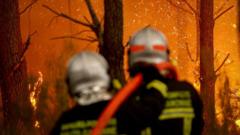
Wildfire technology has revolutionized the way authorities detect and monitor dangerous blazes across vast landscapes. While innovative systems continue to advance detection capabilities, the critical role of experienced firefighters remains irreplaceable in the actual suppression and control of active wildfires. Understanding the balance between technological innovation and human expertise is essential for developing effective wildfire management strategies in the modern era.
Advanced surveillance systems, including satellite imaging, drone networks, and artificial intelligence algorithms, have dramatically improved early detection of emerging wildfires. These technological solutions can identify smoke and fire signatures in remote areas where human presence is limited, enabling faster response times and potentially saving lives and property.
Current Technology in Wildfire Prevention
Modern wildfire technology encompasses a diverse range of tools designed to enhance every phase of fire management. Remote sensing satellites can continuously monitor large geographical areas, providing real-time data about fire activity and behavior. Thermal imaging cameras mounted on aircraft offer detailed perspectives of active fire zones, allowing commanders to make informed tactical decisions.
Artificial Intelligence and Predictive Analytics
Machine learning algorithms analyze historical wildfire patterns, weather conditions, and geographical factors to predict high-risk areas and optimal times for controlled burns. These predictive models enable land management agencies to allocate resources more efficiently and implement preventative measures before dangerous conditions develop. The integration of weather data, vegetation maps, and climate forecasts creates comprehensive early warning systems that alert communities to potential threats.
Drone Technology and Aerial Monitoring
Unmanned aerial vehicles equipped with infrared cameras and air quality sensors have become invaluable tools for wildfire assessment. Drones can navigate hazardous terrain and provide real-time video feeds to command centers, enabling better situational awareness for firefighting operations. They gather crucial data about fire intensity, spread direction, and environmental conditions without exposing personnel to immediate danger.
The Irreplaceable Human Element
Despite significant technological advances, firefighters remain absolutely essential to wildfire management. No amount of technology can replicate the judgment, adaptability, and courage required to combat active fires. Trained firefighters possess specialized skills in fire behavior analysis, emergency tactics, and life-saving techniques that cannot be automated or replaced by mechanical systems.
Firefighters make split-second decisions based on field experience and real-time conditions that autonomous systems cannot adequately replicate. They navigate treacherous terrain, evacuate endangered communities, and execute complex suppression strategies that require human intuition and physical intervention. The human capacity to assess danger, adapt to unexpected circumstances, and respond with creativity remains critical to fire safety operations.
Ground-Level Response and Community Protection
When wildfires threaten populated areas, firefighters provide direct protection to homes, businesses, and residents. They establish firebreaks, manage evacuation routes, and coordinate with local authorities to ensure public safety. This ground-level response capability cannot be delegated to technology alone, as it requires immediate human presence and decision-making authority in dynamic emergency situations.
Integration of Technology and Human Expertise
The most effective wildfire management strategies combine advanced technology with experienced firefighting personnel. Detection systems alert teams to emerging threats, while trained professionals execute necessary suppression and prevention activities. This integrated approach leverages the strengths of both innovation and human expertise to create comprehensive fire management programs.
Wildfire technology provides firefighters with superior information and tools to perform their duties more safely and efficiently. Real-time data about fire behavior, weather patterns, and terrain conditions empowers decision-makers to deploy resources strategically and protect personnel from unnecessary risk. Training programs that incorporate technological literacy ensure that modern firefighters can maximize these capabilities in their operations.
Communication and Coordination Systems
Integrated communication networks link ground teams, air support, command centers, and emergency management agencies into coordinated operations. Advanced dispatch systems prioritize responses and allocate resources based on real-time threat assessments. These technological frameworks enable firefighters to work more effectively as unified teams rather than isolated units.
Future Perspectives on Wildfire Management
Continued technological development will enhance wildfire prevention, detection, and response capabilities. However, fire management experts universally acknowledge that firefighters will remain central to wildfire control for the foreseeable future. The question is not whether technology will replace firefighters, but rather how innovative solutions can best support and enhance their critical work.
Investment in both technology and firefighter training represents the most prudent approach to addressing escalating wildfire challenges. As climate patterns shift and fire seasons intensify, the combination of advanced early warning systems and skilled emergency personnel provides the most reliable protection for communities at risk from wildfires.


