
Trump Denies US Weapons Shortage Amid Supply Concerns
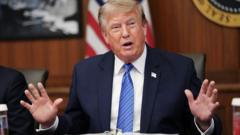
Trump Refutes Weapons Shortage Claims
Former President Donald Trump has firmly denied that the United States faces a US weapons shortage, pushing back against growing concerns about the nation's military supply capacity. During recent statements, Trump addressed allegations regarding defense inventory limitations and dismissed reports suggesting depleted arsenals across various military branches.
The US weapons shortage debate has intensified as defense analysts examine publicly available procurement records and supply chain vulnerabilities. While Trump contends that such concerns are overblown, multiple independent sources continue to raise questions about America's reserves of specialized munitions and defense systems that require extensive manufacturing processes.
Trump's Response to Information Leaks
In conjunction with his denial of the US weapons shortage narrative, Trump stated that government officials responsible for releasing sensitive military information are being actively pursued. He characterized those disclosing classified details as "leakers" working against national security interests and promised decisive action against individuals involved in unauthorized document distribution.
The former president's comments reflect broader tensions within defense and intelligence communities regarding information management and classified material handling. Security officials have long emphasized the sensitivity of military supply assessments, particularly those detailing production capabilities for complex weapons systems.
Understanding the US Weapons Shortage Debate
The discussion surrounding potential US weapons shortage stems from publicly documented military assistance programs. Since 2022, the United States has substantially increased weapons transfers to allied nations, supporting international defense initiatives without official acknowledgment of inventory impact assessments.
Defense analysts utilizing open-source intelligence have tracked shipments of challenging-to-manufacture weapons systems, including precision-guided munitions, air defense components, and advanced tactical equipment. These weapons require extended production timelines due to specialized manufacturing requirements, supply chain dependencies, and technical expertise demands.
Public Data and Classified Information
While comprehensive data regarding military inventory levels remains classified at the highest security levels, analysts rely on unclassified information to assess potential US weapons shortage scenarios. Congressional testimonies, Department of Defense budget submissions, and industry production reports provide incomplete but revealing perspectives on defense manufacturing capacity.
Publicly available information demonstrates that certain weapons categories face production bottlenecks. Semiconductor shortages, skilled labor limitations, and industrial capacity constraints affect the pace at which American manufacturers can replenish military stocks. These factors contribute to legitimate concerns about sustained weapons availability for future contingencies.
Manufacturing Complexity and Defense Readiness
The production of advanced military equipment involves intricate technical processes that cannot be rapidly scaled. Weapons systems requiring specialized components and extensive testing cannot address US weapons shortage situations through simple accelerated manufacturing. Pentagon officials have acknowledged these realities while maintaining that overall readiness remains adequate.
Trump's denial of shortage concerns contrasts with statements from military professionals who emphasize the importance of robust defense industrial capacity. The tension between official narratives and technical realities continues to shape policy discussions regarding military preparedness and strategic positioning.
National Security and Information Control
Trump's reference to "hunting down" information leakers reflects administration priorities regarding classified material protection. Government officials argue that public discussion of US weapons shortage concerns potentially compromises strategic advantages and negotiating positions with adversarial nations.
The debate highlights ongoing challenges in balancing transparency with legitimate security concerns. While citizens benefit from understanding defense readiness levels, operational details genuinely require protection to maintain strategic effectiveness. The proper boundaries for such information release remain contested within government agencies and between executive and legislative branches.
Future Military Supply Outlook
Looking forward, addressing potential US weapons shortage challenges requires sustained industrial investment and strategic planning. Defense manufacturers have indicated capacity expansion possibilities if government contracts and funding commitments remain stable. However, such expansion requires time, capital investment, and workforce development initiatives.
The dialogue initiated by Trump's statements contributes to broader discussions about American military capability maintenance and resource allocation priorities. Whether current inventory levels truly represent adequate defense readiness depends on analytical frameworks, threat assessments, and strategic objectives that remain partially classified from public scrutiny.


