
Trump Warns Iran: Military Response to Hormuz Strait Attacks
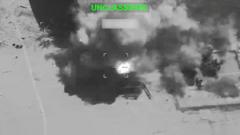
Trump Issues Strong Warning Over Strait of Hormuz Security
The Strait of Hormuz attacks have escalated tensions between the United States and Iran to unprecedented levels. Former President Donald Trump has made explicit statements regarding potential military retaliation should Iranian forces continue targeting commercial vessels navigating through this critical maritime corridor. Trump's declaration signals a hardened stance on protecting international shipping routes and American interests in the region.
Details of Trump's Military Threat
According to reports, Trump stated that the United States will implement immediate military responses to any incident involving Iranian forces firing upon ships transiting the Strait of Hormuz. This aggressive posture represents a significant escalation in rhetoric, with Trump specifically referencing infrastructure targets including bridges and power generation facilities within Iranian territory.
The former president's warning suggests a comprehensive military strategy that extends beyond defensive measures. Rather than limiting responses to maritime security operations, Trump's statements indicate a willingness to conduct broader strikes against Iran's critical infrastructure should provocations continue. This approach represents a departure from incremental deterrence strategies, opting instead for what Trump characterizes as decisive action.
Strategic Importance of the Strait
The Strait of Hormuz remains one of the world's most vital maritime passages, with approximately one-third of global seaborne oil trade transiting through its narrow waters. The 21-mile-wide strait connects the Persian Gulf to the Gulf of Oman and ultimately the Arabian Sea, making it indispensable for international commerce and energy security. Any disruption to shipping in this corridor impacts global markets, fuel prices, and economic stability worldwide.
Iran's geographic position at the strait provides significant strategic leverage, as the nation controls the waterway's northern coast. This geographical advantage has historically allowed Iranian authorities to exert influence over maritime traffic and potentially restrict passage during periods of heightened tension.
Pattern of Maritime Incidents
Recent months have witnessed multiple incidents involving attacks on commercial vessels in the Strait of Hormuz and surrounding waters. These incidents have been attributed to Iranian-backed forces and militia groups operating in the region. International shipping companies have reported increased security concerns, with some vessels implementing enhanced protective measures and rerouting decisions to avoid the area.
The attacks have prompted responses from various nations, with shipping associations calling for greater international coordination to ensure vessel safety. The financial implications for maritime insurance and global commerce have become increasingly evident as tensions persist.
International Response and Implications
Trump's threatening stance regarding potential strikes on Iranian infrastructure has generated significant discussion within international diplomatic circles. Regional allies, including Gulf Cooperation Council member states, monitor developments closely given their proximity to potential conflict zones. The statements raise questions about potential broader military escalation and the involvement of other international actors.
Military analysts have examined the feasibility and strategic consequences of the infrastructure strikes Trump referenced. Targeting bridges and power plants could significantly impact Iran's civilian population and critical services, potentially widening the conflict beyond maritime security into a broader military engagement.
Historical Context of US-Iran Relations
The current tensions reflect decades of complicated relations between the United States and Iran. Previous administrations have pursued various strategies ranging from diplomatic engagement to economic sanctions and military posturing. Trump's earlier presidency was marked by the withdrawal from the Joint Comprehensive Plan of Action (JCPOA) and the implementation of maximum pressure sanctions against Iran.
Looking Forward
The situation in the Strait of Hormuz remains fluid, with continued diplomatic and military monitoring by international stakeholders. Trump's explicit warnings appear designed to deter Iranian actions through credible threats of significant military consequences. Whether such deterrence proves effective or leads to further escalation remains uncertain, with global energy markets and shipping companies watching developments closely for potential disruptions to this critical maritime artery.


