
Trump Weighs AI Regulation Following OpenAI Security Breaches
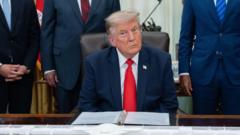
Trump Administration Changes Course on Artificial Intelligence Policy
The Trump administration is now evaluating potential AI regulation measures following significant security breaches at OpenAI, marking a substantial shift in the government's approach toward artificial intelligence oversight. This reconsideration represents a departure from the administration's previously established hands-off regulatory philosophy regarding emerging technologies.
The Security Incidents Prompting Policy Review
Recent hacking incidents targeting OpenAI's infrastructure have triggered serious concerns within federal agencies about the vulnerability of critical AI systems. These breaches exposed potential risks associated with inadequate security protocols in the artificial intelligence sector, forcing policymakers to reassess the current regulatory framework governing technology companies.
The incidents revealed gaps in cybersecurity measures that could have broader implications for national security and data protection. Government officials recognized that the rapid expansion of AI capabilities without corresponding security standards creates unacceptable risks for both private users and government operations.
A Notable Departure from Previous Technology Policy
The Trump administration has traditionally favored a lighter regulatory touch when approaching technological innovation and development. This approach emphasized market-driven solutions and industry self-regulation rather than government intervention. However, the OpenAI security incidents have prompted a fundamental reconsideration of this philosophical stance.
Administration officials now acknowledge that certain sectors of the technology industry may require more robust oversight. The shift reflects growing recognition that artificial intelligence systems, given their potential impact on critical infrastructure and national security, warrant specific attention from federal authorities.
Potential AI Regulation Framework
The emerging policy discussion includes several potential avenues for AI regulation. Federal agencies are examining how to establish baseline security standards for organizations developing and deploying artificial intelligence technologies. These standards would address data protection, system integrity, and vulnerability management across the industry.
Proposed measures under consideration include mandatory security certifications, regular vulnerability assessments, and incident reporting requirements. Government officials are also discussing the establishment of oversight mechanisms that would allow federal agencies to monitor critical AI systems while maintaining innovation incentives.
Industry Response and Stakeholder Concerns
Technology companies, including OpenAI, are closely monitoring the policy developments. Industry representatives have expressed both support for enhanced security standards and concerns about overly restrictive regulations that could stifle innovation and competitive advantage.
The debate reflects broader tensions between security imperatives and the need to maintain a favorable environment for technological development. Stakeholders from various sectors are providing input on how potential AI regulation could be structured to address legitimate security concerns without imposing unnecessary burdens on developers and researchers.
National Security Implications
The Trump administration's consideration of AI controls also reflects growing concerns about national security dimensions. Advanced artificial intelligence systems have potential applications in defense, intelligence gathering, and critical infrastructure management. Ensuring these systems remain secure and protected from hostile actors has become a priority for government officials.
Intelligence agencies have warned about the risks posed by compromised AI systems, particularly regarding their potential misuse by adversarial nations or organizations. The recent OpenAI incidents have underscored these vulnerabilities and strengthened arguments for more comprehensive oversight mechanisms.
Moving Forward with Regulatory Development
As the administration develops its formal position on AI regulation, multiple federal agencies are collaborating on policy recommendations. The process involves coordination between the National Security Council, Department of Commerce, and other relevant agencies to ensure a comprehensive approach.
The timeline for implementing new AI regulation remains uncertain, but officials indicate that concrete proposals could emerge within the coming months. The approach being considered aims to balance security imperatives with the continued advancement of artificial intelligence technologies that offer significant benefits to the economy and society.


