
UK Implements Emergency Ban on Disposable BBQs Amid Wildfire Crisis
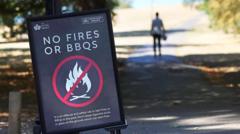
Disposable BBQ Ban Takes Effect as Wildfire Threat Escalates
The United Kingdom government has announced an emergency disposable BBQ ban targeting single-use grilling devices that pose what officials describe as a "significant risk to the public" during the current drought and extreme heatwave conditions affecting the nation.
This temporary restriction on the sale and use of disposable BBQ units represents a critical intervention in fire safety management across the country. The measure comes as meteorological data confirms prolonged periods of elevated temperatures and dramatically reduced rainfall, creating ideal conditions for rapid fire spread and uncontrolled wildfire incidents.
Understanding the Wildfire Prevention Strategy
The government's decision to implement the disposable BBQ ban reflects growing concerns about the cumulative impact of recreational fire sources in volatile environmental conditions. Single-use grills, which operate at extremely high temperatures and are frequently discarded in natural areas including parks, beaches, and countryside locations, have been identified as a primary ignition source for uncontrolled wildfires.
During periods of severe drought and sustained heatwave conditions, even minimal ignition sources can trigger catastrophic fires that spread with alarming velocity. The temporary restriction aims to eliminate one of the most preventable and controllable risk factors in the current fire safety equation.
Current Drought and Heatwave Conditions
The severity of the present environmental crisis cannot be overstated. Extended periods without significant rainfall have substantially reduced soil moisture content and dried vegetation across multiple regions. Simultaneously, sustained temperature elevation has created atmospheric conditions that dramatically accelerate fire spread and increase its intensity.
Meteorological experts emphasize that the combination of these factors—low humidity, elevated temperatures, reduced moisture in flora, and parched soil conditions—creates an unprecedented environment for rapid fire propagation. In such circumstances, the removal of easily accessible single-use ignition sources becomes a logical and necessary public safety measure.
Public Safety Implications of Single-Use Grills
Single-use grills present multiple hazard vectors in high-risk fire environments. These devices are designed for temporary outdoor cooking applications and often lack sophisticated temperature regulation or containment systems. Users frequently abandon these grills in outdoor locations without ensuring complete extinguishment, leaving smoldering coals that can reignite under windy conditions.
The portability and accessibility of disposable BBQ units mean they are commonly transported to beaches, parks, and remote countryside areas where emergency response infrastructure is limited. Should ignition occur in these locations during drought conditions, containment becomes extraordinarily difficult.
Government Safety Directives
The temporary disposable BBQ ban represents one component of a broader governmental approach to wildfire prevention during this critical period. Additional measures include public awareness campaigns emphasizing responsible fire management, restrictions on certain outdoor activities, and enhanced monitoring of high-risk areas.
Officials stress that the prohibition remains in effect only during the heightened risk period. Once meteorological conditions normalize—specifically when rainfall returns to seasonal averages and temperatures moderate—the restrictions will be reassessed and potentially lifted.
Public Response and Compliance
The government has implemented widespread communication strategies to ensure public awareness of the restrictions. Retail establishments have received guidance on compliance procedures, and violators face potential penalties ranging from substantial fines to criminal prosecution in severe cases.
Community cooperation is essential for the success of these emergency measures. Residents are encouraged to adopt alternative grilling methods, utilize established commercial catering facilities, or postpone recreational outdoor cooking until environmental conditions improve.
Long-Term Fire Safety Considerations
This temporary intervention highlights broader conversations about sustainable fire management and public responsibility during climate-related emergencies. The incident provides valuable data for policymakers developing future regulations regarding consumer products and environmental safety during periods of climatic stress.
Environmental scientists emphasize that such measures, while temporary, demonstrate the necessity of collective action when facing environmental emergencies. Individual choices regarding fire use accumulate significantly during high-risk periods, making broad-based restrictions an effective tool for protecting communities and natural environments.


