
Ukraine Dismisses Army Commander After Public Backlash
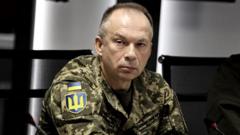
Ukraine's Military Leadership Faces Significant Overhaul
Ukraine's government has announced the removal of its top army commander Oleksandr Syrskyi, marking a pivotal moment in the nation's military hierarchy. The decision to dismiss the Ukraine army commander comes after days of intense public demonstrations and widespread criticism regarding recent personnel changes within the defense establishment.
Background to the Commander's Dismissal
The removal of Ukraine's army commander follows the earlier controversial dismissal of Defence Minister Mykhailo Fedorov, a figure who had gained considerable popularity among the military and civilian populations. The consecutive personnel changes have triggered substantial backlash from various sectors of society, including military personnel, political figures, and the general public.
Public Reaction and Demonstrations
The decision to remove the Ukraine army commander represents a response to mounting pressure from protest movements that emerged following Fedorov's departure. Citizens and military officers have expressed concerns about the stability and direction of Ukraine's military command structure during a critical period for national security. The demonstrations underscored deep dissatisfaction with how leadership transitions were being handled within the armed forces.
Impact on Military Operations
The dismissal of Ukraine's top military leader raises questions about continuity in command and operational effectiveness at a time when the nation faces significant security challenges. The removal process and its timing have sparked debates about the proper procedures for transitioning military leadership and the importance of maintaining institutional stability within the armed forces.
Government Response to Opposition
Officials have justified the removal of the army commander as necessary for organizational restructuring, though specific reasons for the dismissal remain subject to interpretation and debate. The decision reflects broader tensions within Ukraine's government regarding military administration, personnel management, and the balance between civilian and military authority.
Broader Implications for Ukraine's Defense Sector
The removal of Ukraine's army commander and related personnel changes signal potential shifts in military strategy and governance. These leadership transitions occur within a context of ongoing security challenges, requiring the military establishment to maintain operational readiness while navigating administrative reorganization. The controversy surrounding the dismissals highlights the complexity of managing institutional changes during periods of national stress.
Looking Forward
The leadership changes within Ukraine's military establishment will likely have long-term implications for how the institution functions and responds to future challenges. The removal of key figures like the army commander reflects the dynamic nature of political and military decision-making in Ukraine, where public opinion, institutional stability, and national security interests must be carefully balanced. Future developments in this situation will be closely monitored by international observers and stakeholders invested in Ukraine's stability and military effectiveness.


