
Ukraine Faces Critical Interceptor Missile Shortage After Russian Attack
Ukraine Confronts Serious Interceptor Missile Shortage
Ukraine is sounding the alarm over a critical interceptor missile shortage as the nation continues to face relentless Russian aerial bombardment. The ongoing supply crisis threatens to undermine the country's air defense capabilities during a time when missile interception has become increasingly vital to protect civilian populations and strategic infrastructure across the nation.
The interceptor missile shortage in Ukraine has become a pressing concern for military officials and government leadership as Russia intensifies its assault on key population centers. With limited stocks of air defense systems, Ukrainian forces struggle to counter the unprecedented scale of aerial attacks that have characterized recent military operations.
Massive Russian Attack Details
During a devastating assault on Sunday, Russian forces launched what President Zelensky characterized as a "massive Russian attack" targeting the Kyiv region. According to official reports, the coordinated offensive involved 68 cruise and ballistic missiles combined with 351 strike drones, representing one of the largest concentrated attacks in recent weeks.
The scale of this particular operation underscores the intensity of Russia's air campaign against Ukrainian targets. The combination of missiles and unmanned aerial vehicles created an overwhelming challenge for Ukrainian air defense systems, which were forced to simultaneously engage multiple threats across different altitude ranges and trajectories.
Casualty Toll in Kyiv Region
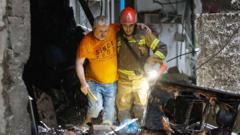
The human cost of the Russian attack proved significant, with at least 23 people killed in the Kyiv region during the bombardment. Beyond the fatalities, numerous civilians were injured, and considerable damage was inflicted on residential areas, critical infrastructure, and commercial facilities throughout the affected zones.
Emergency services responded rapidly to the attacks, conducting rescue operations and providing medical assistance to those affected. The death toll reflects the ongoing threat posed by Russian aerial operations targeting civilian areas and essential infrastructure within the capital region.
Air Defense Challenges and Interceptor Limitations
The interceptor missile shortage has emerged as a fundamental vulnerability in Ukraine's air defense infrastructure. Despite the Ukrainian military's efforts to neutralize incoming threats, the limited availability of air defense missiles means that not every target can be engaged, allowing some Russian weapons to reach their intended objectives.
Military analysts point out that the disparity between the volume of Russian attacks and the quantity of available Ukrainian interceptors creates a strategic imbalance. This limitation forces Ukrainian commanders to make difficult decisions about resource allocation and target prioritization when faced with simultaneous threats across multiple regions.
International Support and Defense Requirements
The interceptor missile shortage has prompted Ukrainian officials to appeal to international allies for enhanced military assistance. Western nations have provided various air defense systems, yet the demand for interceptors continues to outpace supply, as Russia maintains its aggressive aerial campaign.
Experts suggest that addressing Ukraine's defense needs requires substantial increases in deliveries of air defense missiles from NATO countries and other allied nations. The ongoing conflict has demonstrated that sustained military support is essential to bolster Ukraine's capacity to protect its civilian population and maintain territorial integrity against persistent Russian aggression.


