
Ukraine Strikes Strategic Oil Terminal Near St. Petersburg
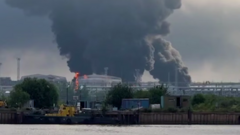
Ukraine Executes Major Strike on Russian Petroleum Infrastructure
Ukrainian forces have launched a significant assault against a critical oil terminal located in the vicinity of St. Petersburg, marking another escalation in operational activities targeting Russia's energy sector. The Ukraine oil terminal attack represents a continued strategy to undermine the economic foundations supporting Moscow's military campaigns across the region.
President Volodymyr Zelensky characterized the operation as a deliberate action against strategic installations that directly contribute to financing Russia's ongoing military efforts. According to official statements, the targeted facility serves as a vital nexus in the nation's petroleum distribution network, with substantial financial implications for the Kremlin's defense budget.
Strategic Implications of the Terminal Strike
The infrastructure targeted during this operation functions as essential logistics infrastructure integral to Russia's domestic and international energy trade. Disrupting such facilities creates significant economic consequences by reducing the revenue streams that Moscow channels toward military expenditures. Defense analysts suggest that systematic targeting of energy infrastructure has become a cornerstone of Ukraine's strategic approach to constraining Russian war-making capacity.
Impact on Russia's Economic Operations
Petroleum terminals of this magnitude represent high-value economic assets within the Russian Federation. The facility in question processes substantial volumes of crude oil and refined products destined for both domestic consumption and international export markets. By concentrating military efforts on such installations, Ukrainian command aims to diminish Russia's capacity to generate foreign currency and maintain its industrial base.
Energy Sector Vulnerability
Russia's energy infrastructure has emerged as an increasingly prominent target within military operations. These facilities, which previously operated with relative security, now face sustained pressure from long-range Ukrainian systems. The vulnerability of such assets to asymmetrical warfare tactics has prompted discussions within Russian policy circles regarding protective measures and industrial relocation strategies.
President Zelensky's Assessment
The Ukrainian leadership has consistently framed operations against Russian infrastructure as necessary responses to the military aggression initiated by Moscow. Zelensky emphasized that facilities generating substantial revenue for the war effort represent legitimate military objectives under international law principles governing armed conflict. This characterization reflects Ukraine's determination to pursue multiple operational avenues simultaneously, disrupting both military capabilities and economic resources.
Official Ukrainian communications have stressed that such operations aim to reduce Moscow's ability to sustain prolonged military operations while minimizing civilian infrastructure damage. The distinction between civilian energy production and installations directly supporting military logistics remains central to Ukraine's operational justification.
Broader Context of Infrastructure Warfare
The systematic targeting of oil terminals, refineries, and energy facilities forms part of a comprehensive Ukrainian strategy extending beyond conventional battlefield operations. By concentrating on economic infrastructure, Ukrainian forces seek to impose costs that extend far beyond immediate military considerations. This approach reflects an understanding that modern conflicts increasingly involve targeting the economic ecosystems sustaining military power.
Historical Precedent
Infrastructure warfare tactics have featured prominently in various historical conflicts, though contemporary operations in this region demonstrate unprecedented sophistication and coordination. The Ukraine oil terminal attack exemplifies how modern militaries employ advanced targeting capabilities against distant strategic objectives, challenging traditional concepts of military geography and operational reach.
International Perspectives
The international community continues monitoring developments with particular attention to humanitarian implications and broader geopolitical consequences. Various nations have assessed these operations through distinct analytical frameworks, balancing recognition of legitimate Ukrainian defense requirements against concerns regarding escalation dynamics and collateral effects on global energy markets.
Energy security analysts have noted that disruptions to major petroleum infrastructure in Eastern Europe carry implications extending beyond the immediate regional conflict, potentially affecting global commodity prices and supply chain stability throughout international markets.
Conclusion
The strike against the St. Petersburg oil terminal represents a continuation of Ukraine's multifaceted operational strategy aimed at constraining Russian capacity to finance and sustain military operations. As President Zelensky articulated, such infrastructure constitutes legitimate targets within the framework of defending national sovereignty against external aggression. The effectiveness and strategic significance of these operations will likely continue shaping the trajectory of the broader conflict and international assessments of contemporary warfare dynamics.


