
Ukrainian Drone Strikes Target Russian E-Commerce Warehouse Networks
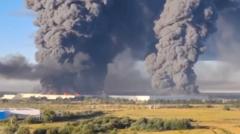
Ukrainian Drone Strikes on Russian E-Commerce Infrastructure
Unmanned aerial operations have struck critical storage and distribution hubs operated by Russia's largest online retail networks, marking an escalation in Ukraine's strategy to disrupt commercial supply chains supporting military procurement. Ukrainian drone strikes Russian warehouses represent a coordinated effort targeting the logistics backbone of e-commerce operations that facilitate the distribution of sanctioned components and restricted materials.
Targeted Facilities and Geographic Scope
The military campaign focused on major distribution centers belonging to Wildberries, a leading Russian online retailer, with confirmed impacts at facilities located in proximity to Moscow and in the Tambov region. These warehouses serve as critical nodes in Russia's retail distribution network, processing and forwarding merchandise across the nation's vast geography. The simultaneous strikes on multiple locations suggest coordinated planning and intelligence operations preceding the attacks.
Strategic Objectives and Supply Chain Disruption
Ukrainian leadership has characterized these targeted logistics facilities as vital infrastructure supplying components subject to international sanctions regimes. The strikes represent an evolution in operational doctrine, shifting focus from traditional military targets to commercial infrastructure deemed essential for sustaining economic activity that indirectly supports Russia's defense industrial base. By disrupting major warehousing operations, Ukraine aims to create cascading effects throughout Russia's commercial distribution networks.
Sanctioned Components and Procurement Networks
The identified facilities reportedly processed and distributed materials and components restricted under multiple layers of international sanctions. These items include electronics, industrial components, and technology products with dual-use applications potentially applicable to military manufacturing or equipment maintenance. Wildberries and similar platforms have faced scrutiny for their role in circumventing trade restrictions through complex supply chain arrangements.
Impact on Russian Retail Operations
The attacks inflict significant disruption on Wildberries' operational capacity, affecting warehouse automation systems, inventory management infrastructure, and logistical personnel. As Russia's foremost online marketplace, Wildberries processes millions of transactions annually, making damage to primary distribution centers a consequential blow to civilian and commercial commerce. The destruction of stored inventory represents both immediate financial losses and longer-term supply constraints.
Recovery and Resilience Challenges
Reconstruction of warehouse facilities requires substantial investment in materials, labor, and security measures to prevent recurring attacks. Russian authorities must now consider enhanced air defense deployments around critical commercial infrastructure, diverting resources from other defensive priorities. The costs associated with facility hardening, inventory replacement, and operational restructuring accumulate pressures on Russian supply chain economics.
Broader Context of Infrastructure Targeting
This operational campaign reflects Ukraine's strategy of degrading Russia's economic capacity to sustain prolonged military operations. By targeting logistics networks supplying sanctioned materials, Ukrainian forces aim to compound the effects of international trade restrictions and create internal bottlenecks in procurement chains. The deliberate selection of e-commerce distribution centers indicates intelligence analysis identifying these facilities as critical nodes in sanctions circumvention networks.
International Sanctions Enforcement
Ukraine's actions align with stated international efforts to enforce sanctions against Russia, leveraging military means to achieve objectives parallel to diplomatic and regulatory sanctions regimes. The strikes demonstrate the interconnection between civilian commercial infrastructure and state-level sanctions compliance, highlighting how supply chain vulnerabilities can be exploited through military operations.
Strategic Implications and Future Operations
The successful execution of strikes against Russian warehouse facilities establishes a precedent for targeting critical commercial infrastructure. Additional e-commerce distribution centers and logistics hubs may face similar operational pressure, forcing Russian retailers and supply chain operators to implement costly defensive measures. The campaign signals Ukrainian capability to project force against targets deep within Russian territory with precision and coordination.
These drone operations underscore the expanding definition of military targets in modern conflict, extending beyond traditional defense installations to encompass commercial infrastructure integral to economic function. Russian commercial operators face strategic uncertainty regarding facility security, supply chain resilience, and the viability of continued operations in high-risk regions vulnerable to precision aerial attacks.


