
US-Iran tensions escalate over Strait of Hormuz control
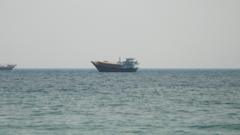
Strait of Hormuz tensions reach critical point in US-Iran dispute
The Strait of Hormuz tensions have intensified dramatically as control over this vital waterway emerges as a primary source of friction between Washington and Tehran. As diplomatic negotiations deteriorate, the strategic importance of the Strait of Hormuz continues to shape the trajectory of international relations in the Middle East, creating unprecedented challenges for global energy markets and regional stability.
Escalating Disputes Over Critical Maritime Routes
The contested waters of the Persian Gulf represent far more than a simple geographic feature; they constitute one of the world's most economically significant maritime passages. The Strait of Hormuz serves as the critical artery through which approximately one-fifth of global petroleum supplies transit annually. When tensions rise in this region, reverberations extend far beyond the immediate players involved, affecting fuel prices, shipping insurance rates, and economic forecasts worldwide.
Recent developments have shown that control mechanisms over this waterway have become increasingly contentious. Naval vessels from both nations patrol these waters with heightened vigilance, and each side interprets the other's movements through a lens of mutual suspicion and strategic concern. The breakdown of diplomatic channels has left little room for miscalculation, as military assets from both powers operate in dangerously close proximity.
The Faltering Ceasefire Framework
What once appeared to be a promising diplomatic initiative has crumbled under the weight of competing strategic interests. The ceasefire arrangement that stakeholders hoped would stabilize the region has proven fragile, with both the United States and Iran retreating to hardline positions. The control of the Strait of Hormuz has transformed from a peripheral issue into the central preoccupation of regional power brokers.
Each nation maintains vastly different perspectives on what constitutes acceptable conduct within these waters. The United States emphasizes freedom of navigation as a cornerstone principle, arguing that all vessels should pass unimpeded through international waterways. Iran counters that it possesses legitimate security concerns regarding foreign military presence in its strategic backyard, particularly given the concentration of American naval assets in the region.
Global Energy Security at Stake
The implications of continued escalation extend well beyond bilateral tensions between Washington and Tehran. Disruptions to shipping through the Strait of Hormuz would immediately spike global crude oil prices, destabilizing economies from East Asia to Western Europe. Insurance premiums for vessels transiting these waters have already begun to creep upward as underwriters assess elevated risk profiles.
Refineries dependent on Persian Gulf crude face potential supply interruptions that could force painful adjustments to production schedules and inventory management. The vulnerability of global energy infrastructure to disruptions in the Strait of Hormuz underscores the interconnected nature of modern economics and the way regional conflicts can rapidly metastasize into worldwide economic shocks.
Strategic Military Positioning and Deterrence
Military analysts point to the unusual density of naval assets now concentrated in the Persian Gulf as evidence of heightened alert status. Both American carrier strike groups and Iranian Revolutionary Guard Navy vessels operate in a state of constant readiness, monitoring each other's movements with sophisticated surveillance systems. The risk of unintended escalation through accidental confrontation has never been more acute.
Previous incidents involving Iranian speedboats maneuvering aggressively near American destroyers have become recurring occurrences rather than exceptional events. Each such incident injects additional uncertainty into an already volatile situation, raising questions about whether established rules of engagement and communication protocols remain adequate to prevent dangerous escalations.
Diplomatic Pathways Forward Remain Uncertain
International observers and regional experts continue searching for diplomatic off-ramps that could defuse the mounting tension. Multilateral forums and backchannel negotiations persist, yet substantive progress remains elusive. The structural antagonisms underlying the US-Iran relationship prove resistant to conventional diplomatic solutions.
Moving forward, the international community faces critical decisions about how to manage this strategic vulnerability. Whether through negotiated agreements, confidence-building measures, or technological solutions that reduce the potential for misunderstanding, stakeholders must act decisively to prevent the Strait of Hormuz from becoming the site of a larger conflagration that would devastate global prosperity and security.


