
US Military Strikes Iran Following Hormuz Strait Tanker Attacks
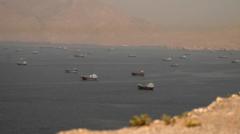
US Launches Military Operations Against Iran
The United States has conducted military strikes against Iranian targets in response to attacks on commercial tankers operating in the Strait of Hormuz. This significant escalation marks a critical moment in ongoing US-Iran tensions, with American officials characterizing the operation as a necessary demonstration of resolve and commitment to regional stability.
Strategic Response to Maritime Incidents
According to US military officials, the decision to initiate these US Iran military strikes came following the attack on vessels transiting through one of the world's most critical shipping lanes. The Strait of Hormuz serves as a vital passageway for global energy commerce, making security in this waterway a matter of international importance. American defense analysts emphasize that the tanker incidents represented a direct threat to international maritime freedom and posed risks to global economic interests.
Pentagon Statement on Objectives
Defense Department representatives declared that the military operations are specifically designed to impose what they describe as "heavy costs" on Iranian decision-makers. This strategic messaging suggests the strikes are intended as a deterrent against further hostile actions. The stated purpose focuses on protecting American personnel, allies, and maintaining the security infrastructure necessary for unimpeded commerce through critical international waters.
Iranian Response and Escalation Warnings
In direct response to the American military action, Iranian leadership issued stern warnings regarding potential countermeasures. Officials in Tehran declared they would "take decisive measures" in retaliation for what they characterized as aggression and violation of their sovereignty. This rhetorical response underscores the deepening hostility between the two nations and raises concerns about potential further escalation in the region.
Regional Implications
The confrontation carries significant implications for Middle East stability. Neighboring nations, particularly those dependent on maritime trade through the Strait of Hormuz, face uncertainty regarding their commercial interests and security. The crisis highlights the fragile geopolitical balance in the Persian Gulf region and demonstrates how disputes between major powers can quickly threaten broader international commerce and stability.
International Community Monitoring
Global observers closely monitor developments as the US Iran military strikes represent a notable intensification of confrontation. International partners express concern about potential humanitarian consequences and the risk of miscalculation that could lead to wider regional conflict. Diplomatic channels remain engaged, though their effectiveness in de-escalating tensions remains uncertain.
Historical Context
This military action must be understood within the broader context of deteriorating US-Iranian relations. Tensions have escalated significantly following various policy decisions and sanctions regimes implemented in recent years. The situation demonstrates how competing strategic interests, historical grievances, and competing visions for regional order continue to generate friction between these two significant regional and international actors.
Looking Forward
The coming weeks will prove crucial in determining whether these strikes represent an isolated response or signal the beginning of a prolonged military campaign. International diplomatic efforts continue in parallel to military operations, with various stakeholders attempting to prevent further deterioration. The outcome will significantly impact regional security architecture and global energy markets dependent on Hormuz Strait transit.


