
Afghan Women Describe Unrecognizable Lives Under Five Years of Taliban Governance
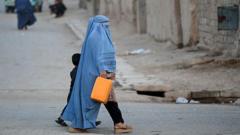
Afghan Women Living Under Taliban Rule: A Five-Year Reality Check
Afghan women have opened up about the profound and devastating changes to their daily existence following five years under Taliban governance. From enforced restrictions to complete loss of employment opportunities, the transformative impact of Taliban rule Afghanistan women face has reshaped every aspect of their lives in ways many describe as fundamentally unrecognizable from their previous existence.
Public Punishment and Legal Consequences
Among the most troubling developments documented by international observers is the reinstatement of harsh public penalties. Women across various provinces have reported witnessing and experiencing public floggings as a mechanism of social control and punishment under the current regime. These public displays of punishment serve as deterrents and reinforce the Taliban's interpretation of Islamic law throughout communities.
The frequency and visibility of such punishments have created an atmosphere of fear that extends beyond those directly affected. Families become more cautious about allowing female relatives to engage in activities the Taliban deems inappropriate, further restricting women's movement and participation in public life.
Employment Collapse and Economic Hardship
The professional landscape for Afghan women has contracted dramatically since Taliban governance took hold. Women who previously worked as teachers, healthcare providers, government officials, and business owners have been systematically removed from their positions. The loss of these employment opportunities has created cascading economic consequences for families and individuals who depended on these incomes.
Many women report struggling to find alternative employment in a labor market that increasingly prohibits female workers. Those who attempt to work face significant obstacles including transportation restrictions, dress code requirements, and requirements for male accompaniment. The Taliban's ideology regarding women's roles has translated directly into policy decisions that eliminate job opportunities across both public and private sectors.
Healthcare Access Crisis and Life-Threatening Barriers
Among the most critical challenges facing Afghan women is deteriorating access to healthcare services. Women have described numerous barriers to receiving medical treatment, including restrictions on female patients being examined by male healthcare providers without extensive restrictions. These Taliban-imposed limitations have created dangerous situations, particularly regarding maternal health and childbirth complications.
Female healthcare workers have been prevented from continuing their careers, reducing the number of women available to treat female patients. Pregnant women and girls facing delivery complications sometimes cannot access timely emergency care due to these restrictions. The restrictions on healthcare directly endanger lives and contribute to preventable deaths among women and newborns.
Educational Restrictions and Future Prospects
Beyond immediate adult concerns, Taliban rule Afghanistan women has extended to limiting educational opportunities for girls and young women. Secondary education for girls has been restricted or eliminated in many areas, cutting off a generation from educational advancement and future economic independence.
Women who previously attended universities now face complete bans from higher education institutions. This educational restriction affects not only immediate learning opportunities but also eliminates the pathway to professional careers and positions of influence that could shape society's future direction.
Social Restrictions and Freedom of Movement
Daily life has become increasingly circumscribed for Afghan women under current governance. Restrictions on where women can travel, whom they can meet, and what activities they can pursue have become normalized. Women require male family members' permission for many activities, creating dependencies that limit autonomy and personal freedom.
These social restrictions extend to entertainment, sports, and cultural participation. Women have been excluded from public spaces, sports facilities, and cultural events, fundamentally changing the texture of daily life and social interaction.
Looking Forward: The Human Cost of Taliban Governance
The testimonies of Afghan women paint a picture of systematic restriction and hardship that has accumulated over five years. From the visible trauma of public punishment to the invisible but equally damaging restrictions on employment, healthcare, and education, the impact has been comprehensive and deeply personal.
Afghan women continue to navigate these challenges with resilience, finding ways to support themselves and their families despite the constrained environment. However, their accounts make clear that life under Taliban rule Afghanistan women has transformed in ways many describe as unrecognizable compared to previous decades, representing a significant reversal in women's rights and freedoms.


