
Can Monitoring Your Food Purchases Improve Your Overall Health?
Understanding the Impact of Tracking Food Purchases on Health
The practice of tracking food purchases has become increasingly prevalent in modern society, with countless consumers wondering whether this approach genuinely supports better health outcomes. Digital tools designed for monitoring dietary consumption have gained substantial popularity, yet questions persist about their actual effectiveness in promoting sustainable lifestyle changes and improved nutrition.
How Food Purchase Monitoring Works
Tracking food purchases involves recording what items you buy at grocery stores, restaurants, and other food outlets. This documentation creates a comprehensive record of your eating patterns and consumption habits. By examining what you purchase, individuals can identify trends, recognize patterns of unhealthy choices, and become more conscious of their dietary decisions.
The Technology Behind Purchase Tracking
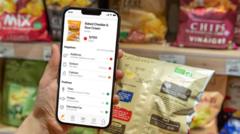
Modern applications and digital platforms enable users to scan receipts, log purchases, and analyze nutritional data automatically. These systems often integrate with smartphone cameras and cloud storage, making it convenient to maintain detailed records. Some applications connect directly with payment systems or grocery store loyalty programs, streamlining the tracking process significantly.
Benefits of Monitoring Your Food Purchases
Research suggests that tracking food purchases can provide several advantages for those seeking to improve their health. Increased awareness of purchasing decisions often leads to more conscious food selections. When individuals recognize patterns in their purchases, they become more intentional about what enters their shopping carts.
Awareness and Accountability
The act of documenting food purchases creates a accountability mechanism. Knowing that your purchases are being recorded encourages reflection on dietary choices. This heightened awareness frequently translates into better decision-making at the point of purchase, preventing impulse buys of less nutritious items.
Identifying Dietary Patterns
Regular tracking reveals consumption trends that might otherwise go unnoticed. Someone might discover they purchase excessive amounts of processed snacks or sugary beverages without realizing the pattern. Once identified, these habits become addressable through intentional substitutions and behavioral adjustments.
Challenges and Limitations
Despite potential benefits, tracking food purchases presents notable challenges. The practice requires consistent effort and discipline, which some individuals find unsustainable over extended periods. Additionally, not all nutritional information correlates directly with purchases; restaurant meals and food consumed outside the home may not appear in purchase records.
Behavioral and Psychological Factors
Obsessive tracking can sometimes foster unhealthy relationships with food, particularly for individuals prone to restrictive eating patterns or disordered eating behaviors. Mental health professionals caution that excessive focus on food monitoring might amplify anxiety around dietary choices rather than promote relaxation and balanced eating.
Effectiveness for Weight Management
Studies examining whether tracking food purchases aids weight loss show mixed results. Some participants experience successful outcomes when combining purchase monitoring with other interventions like exercise and professional nutritional guidance. Others find minimal correlation between tracking alone and sustainable weight reduction without additional lifestyle modifications.
Expert Perspectives on Food Purchase Tracking
Nutritionists and health professionals acknowledge that tracking food purchases works best as part of a comprehensive approach rather than as a standalone solution. Registered dietitians emphasize that understanding portions, nutritional content, and personal health goals matters significantly more than simply recording what gets purchased.
When Tracking Proves Most Beneficial
Purchase monitoring appears most effective for individuals with specific health objectives, such as managing diabetes, reducing sodium intake, or addressing food allergies. Those seeking general health improvement often benefit more from developing intuitive eating skills and understanding hunger cues rather than relying heavily on purchase documentation.
Practical Recommendations for Effective Food Tracking
If you choose to monitor your food purchases, experts suggest combining this practice with nutritional education. Understanding why certain foods support your health goals matters more than the tracking itself. Setting realistic expectations and avoiding perfectionism helps maintain consistency without becoming discouraging.
Consider tracking specific elements rather than everything: perhaps focus on protein intake, vegetable consumption, or processed food purchases initially. This targeted approach often proves more sustainable and actionable than attempting to document every single purchase comprehensively.
Conclusion: Balancing Monitoring with Sustainable Habits
Tracking food purchases can contribute to improved health when approached thoughtfully and combined with other supportive strategies. The practice offers value primarily through increased awareness and identification of problematic patterns. However, it represents one tool among many available for supporting dietary improvements, not a complete solution independently.
Success in long-term health improvement typically stems from developing personalized strategies that align with individual preferences, lifestyles, and psychological needs, making purchase tracking most effective when integrated into a broader, balanced approach to wellness.


