Germany Reconsiders Coal Power Amid Natural Gas Crisis
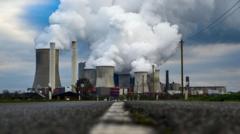
Germany's Coal Dilemma: Energy Security vs. Environmental Goals
As Europe grapples with unprecedented energy challenges, coal-powered electricity has unexpectedly returned to Germany's policy discussions. The nation, which had committed to phasing out coal, now faces mounting pressure to reconsider its commitment due to the dramatic surge in natural gas prices and supply uncertainties. This shift highlights the complex balance between maintaining energy independence and pursuing environmental sustainability.
Rising Natural Gas Costs Force Energy Reassessment
The escalating cost of natural gas has become the primary catalyst driving Germany's potential reversal on coal-powered electricity generation. Natural gas prices have soared to unprecedented levels, straining both industrial sectors and household budgets across the country. This economic burden has prompted policymakers to evaluate all available energy sources, including previously dismissed options like coal.
Germany's initial strategy relied heavily on transitioning from coal to natural gas and renewable energy sources. However, the geopolitical tensions affecting global energy markets have disrupted this careful planning. Supply constraints and price volatility have exposed vulnerabilities in depending on imported natural gas, forcing energy officials to explore alternative fuel sources that could provide stability and predictability.
Historical Commitment to Coal Phase-Out
Germany's ambitious coal phase-out represented a cornerstone of its environmental policy framework. The nation had established clear timelines for reducing coal dependence, with plans to completely eliminate coal-powered electricity generation by 2038. This commitment aligned with broader European Union climate objectives and reflected Germany's leadership in the green energy transition.
However, the current energy crisis has created unprecedented pressure on this long-term strategy. When policymakers established the original coal phase-out timeline, they operated under different assumptions about energy availability, pricing, and geopolitical stability. The unexpected turnaround in circumstances has forced a reassessment of whether this timeline remains feasible without compromising energy security.
Strategic Implications of Reconsidering Coal
Should Germany pursue coal-powered electricity expansion, the implications would be substantial for both the nation and Europe. Domestically, it would signal a temporary retreat from the aggressive climate commitments that have defined recent German policy. Internationally, it could influence neighboring countries' energy decisions and complicate European Union climate targets.
The consideration of coal-powered electricity reflects the difficult choices facing modern economies. Energy security, economic stability, and environmental protection represent competing priorities that cannot always be simultaneously maximized. Germany's situation illustrates how external crises can force governments to revisit fundamental policy assumptions.
Alternative Solutions and Renewable Energy Expansion
Despite the pressure to reconsider coal-powered electricity, many experts argue that aggressive renewable energy investment offers a superior long-term solution. Accelerating wind and solar infrastructure development could address energy shortages while maintaining environmental commitments. However, renewable sources require significant capital investment and time for infrastructure development.
Natural gas alternatives and liquefied natural gas (LNG) imports represent another strategic avenue. Germany has invested in expanding LNG import capacity to diversify supply sources beyond traditional pipeline networks. These infrastructure projects, combined with strategic energy reserves, could reduce the necessity of returning to coal-powered electricity.
Conclusion: Energy Policy at a Crossroads
Germany's potential reconsideration of coal-powered electricity demonstrates how external shocks reshape policy priorities. The surge in natural gas costs has injected uncertainty into energy planning that was previously considered settled. While coal-powered electricity may provide short-term relief, the long-term viability of this approach remains questionable given climate imperatives and technological advances in renewable energy.
The ultimate decision regarding coal-powered electricity will establish precedents for how developed nations navigate the tension between immediate energy security and long-term environmental responsibility. Germany's choice will likely influence energy policy decisions across Europe and contribute to broader discussions about the pace and feasibility of transitioning away from fossil fuels.