
US Halts HIV Funding in South Africa Amid Global Health Crisis
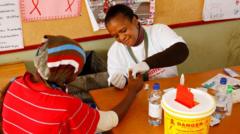
Understanding the Funding Shift in US HIV Programmes in South Africa
A significant development has emerged regarding US HIV funding in South Africa, marking a substantial change in international health cooperation strategies. The decision to halt financial support for HIV programmes represents a pivotal moment in the ongoing battle against one of the world's most pressing public health challenges, particularly in a nation that bears the heaviest burden of the epidemic globally.
South Africa continues to face an unprecedented health crisis, with more than eight million residents currently living with HIV—a figure that surpasses any other nation worldwide. This staggering statistic underscores the critical nature of sustained international support and resources dedicated to combating the virus within the country's borders.
The Scale of HIV in South Africa
The prevalence of HIV infection across South Africa presents one of the most complex public health scenarios globally. With more than eight million people affected by the virus, the nation grapples with unique challenges related to testing, treatment accessibility, and prevention strategies. The sheer magnitude of affected individuals necessitates comprehensive, long-term international partnerships and financial commitments to ensure continuity of care and prevention programmes.
The epidemiological landscape in South Africa reflects years of significant progress in HIV treatment and awareness, yet considerable gaps remain. The country has implemented ambitious national health strategies, yet external financial contributions have been instrumental in scaling up antiretroviral therapy distribution, conducting mass testing campaigns, and supporting community-based healthcare initiatives throughout both urban and rural regions.
Implications of Reduced International Support
The cessation of US HIV funding in South Africa raises critical questions about programme sustainability and treatment accessibility. Many healthcare facilities, non-governmental organizations, and community health workers have relied substantially on American contributions to maintain operational capacities. The withdrawal of these resources threatens to disrupt established service delivery networks that millions depend upon for medication, counselling, and preventive interventions.
Healthcare administrators and public health officials have expressed deep concern regarding the potential consequences of diminished international assistance. Treatment programmes that have achieved remarkable viral suppression rates among enrolled patients face uncertainty about future funding streams and operational continuity. The reduction in financial support may disproportionately affect vulnerable populations in resource-limited settings, including rural communities and economically disadvantaged urban areas.
Global Health Architecture and Funding Dynamics
The decision to halt US HIV funding in South Africa reflects broader discussions about international health financing, bilateral relations, and resource allocation strategies. Multiple stakeholders—including government health ministries, international organizations, and civil society groups—are evaluating alternative funding mechanisms and partnership models to maintain programme effectiveness.
Partner nations and multilateral institutions are considering enhanced collaboration frameworks to compensate for reduced American contributions. Countries with significant HIV burdens increasingly recognize the necessity of strengthening domestic health financing systems while simultaneously engaging with diverse international funding partners to ensure programme resilience.
Looking Forward: Sustainability and Solutions
The healthcare sector in South Africa faces a pivotal juncture requiring strategic planning, innovative solutions, and renewed commitment to HIV prevention and treatment objectives. Local capacity-building initiatives, domestic resource mobilization, and strengthened partnerships with alternative international donors represent potential pathways forward.
Ultimately, the health security of more than eight million South Africans living with HIV depends upon sustained investment, political commitment, and collaborative international engagement, regardless of the specific funding sources or bilateral relationships shaping global health architecture in coming years.


