
Vehicle Trackers Won't Guarantee Recovery of Stolen Cars
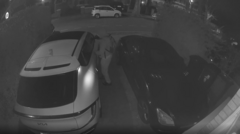
Experts Challenge the Effectiveness of Vehicle Tracking Devices
Recent guidance from automotive specialists indicates that relying solely on stolen car recovery trackers may not provide the guaranteed protection that vehicle owners expect. While manufacturers have invested significantly in advanced tracking technologies, the reality of recovering a stolen vehicle through these systems remains considerably more complex than consumers might assume.
A major automotive manufacturer recently disclosed to the BBC that existing legislation in the United Kingdom restricts the implementation of real-time location tracking functions designed to monitor vehicles actively. This legal constraint represents a significant barrier to the widespread adoption of continuous tracking capabilities that could theoretically assist in rapid vehicle recovery.
UK Legal Framework Limits Real-Time Tracking Capabilities
The regulatory environment surrounding vehicle surveillance and location monitoring has created substantial limitations on how manufacturers can deploy stolen car recovery trackers. Kia, one of the world's leading vehicle producers, explained that current UK law fundamentally prevents its location tracking function from operating as a live monitoring system for vehicles currently in transit.
This legal restriction stems from broader privacy regulations and data protection laws that govern how vehicle location information can be collected, stored, and utilized by manufacturers and third parties. The distinction between passive tracking systems that record historical location data and active systems that provide real-time positioning information has significant legal implications under British legislation.
Understanding the Limitations of Current Recovery Systems
Industry experts emphasize that several factors contribute to the reduced effectiveness of vehicle GPS tracking systems in actual theft recovery scenarios. Beyond legal constraints, practical challenges include the vulnerability of trackers to detection and removal by experienced thieves, signal obstruction in urban environments, and delays in emergency response procedures.
Furthermore, stolen car recovery trackers typically depend on external systems and quick police response to be effective. When vehicles are stolen and transported rapidly, or when trackers are successfully disabled or removed, the technological advantage dissipates entirely. Thieves who steal vehicles for organized criminal operations often possess knowledge about where such devices are commonly installed and how to neutralize them.
What Vehicle Owners Should Know About Protection Options
Rather than depending exclusively on stolen car recovery trackers as a primary security measure, automotive security specialists recommend adopting a comprehensive approach to vehicle protection. This multifaceted strategy should include visible deterrents, secure parking practices, immobilizer systems, and maintaining active communication with insurance providers about coverage options.
Modern vehicles increasingly incorporate multiple layers of security technology, yet none of these individually guarantee protection against theft. The insurance industry remains cautious about making claims regarding the reliability of location tracking function systems, particularly given the legal and technical constraints that affect their real-world performance.
The Future of Vehicle Security and Tracking Technology
Automotive manufacturers continue developing enhanced security features that operate within legal boundaries while attempting to provide better protection for vehicle owners. However, experts consistently warn against overestimating the protective value of any single technology, including GPS-based stolen car recovery trackers.
As legislation evolves and technology advances, the capability of manufacturers to offer more robust location tracking function options may improve. Currently, however, vehicle owners should approach these systems as supplementary security measures rather than definitive solutions to car theft prevention. The combination of physical security measures, behavioral practices, and technological solutions remains the most effective approach to protecting vehicles from theft.
Industry specialists stress that transparency from manufacturers about the actual capabilities and limitations of their tracking systems is essential for helping consumers make informed decisions about vehicle security investments.


